Welltherm · knowledge & inspiration
Energy-efficient Welltherm infrared heating: set and measure carefully
23 June 2026 · Welltherm Netherlands / HeatXL
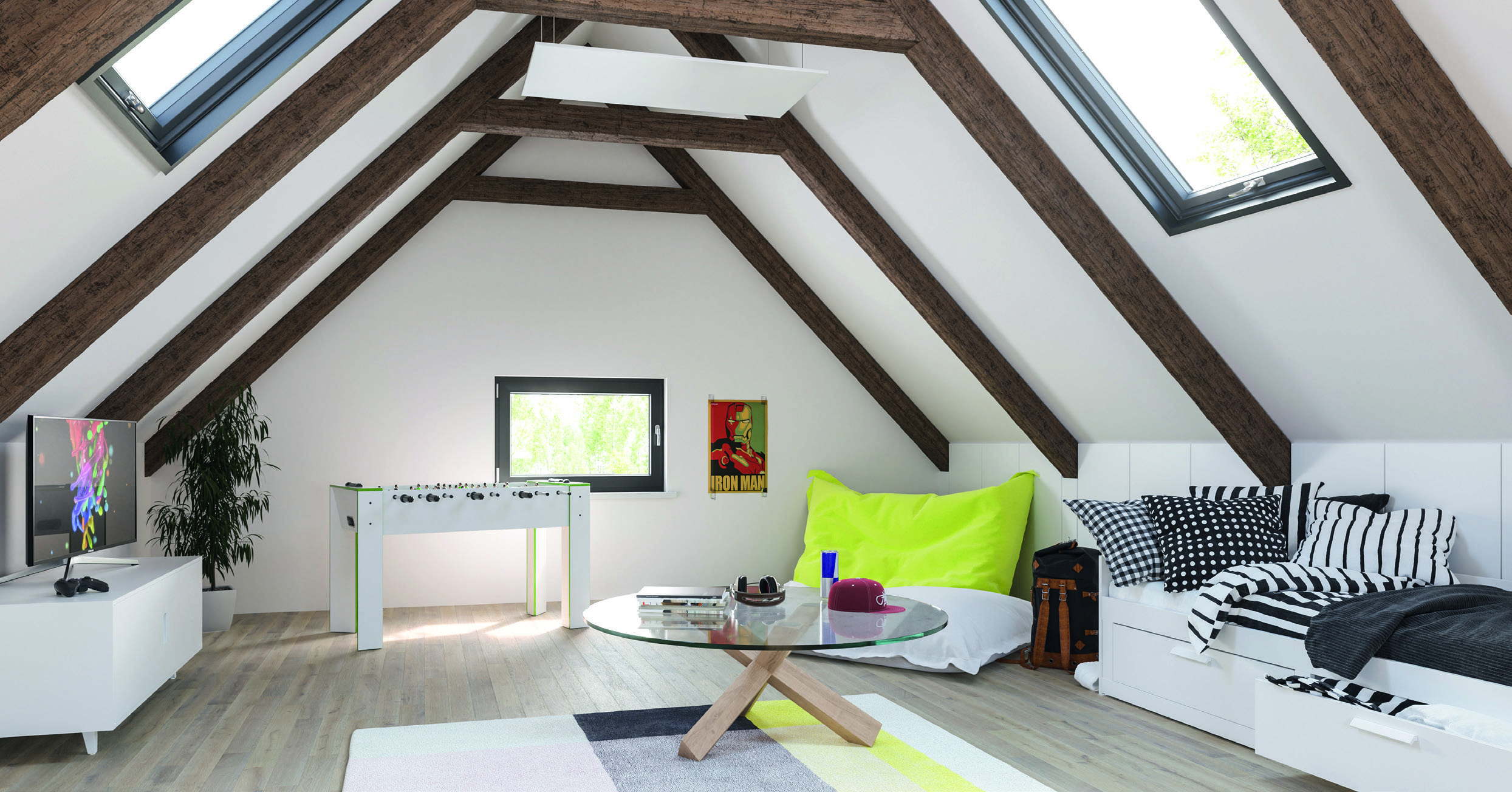
Energy-efficient Welltherm infrared heating starts with warmth in the right place and controls matching your day. Do you use a panel at a workstation, in the bathroom or for the living room? A suitable arrangement adapts warmth to presence and comfort. Measurement and targeted settings then make electricity consumption understandable.
This guide helps you make a practical usage plan. Learn the difference between output and energy consumption, choose settings per room and discover the data needed for a fair comparison. Insulation, solar panels and existing heating are covered too. You can then heat consciously with our Welltherm panels and assess which changes make sense in your situation on a supported basis.
Key points
- Match capacity and positioning to heating requirements first; economical use starts with a suitable installation.
- Output in watts and electricity consumption in kWh are different quantities.
- Use a suitable programme per room and select a representative temperature measurement position.
- Measure existing heating too when aiming to use less gas through supplementary heating.
- Assess solar electricity when production and heating demand coincide.
What makes using Welltherm panels energy-efficient?
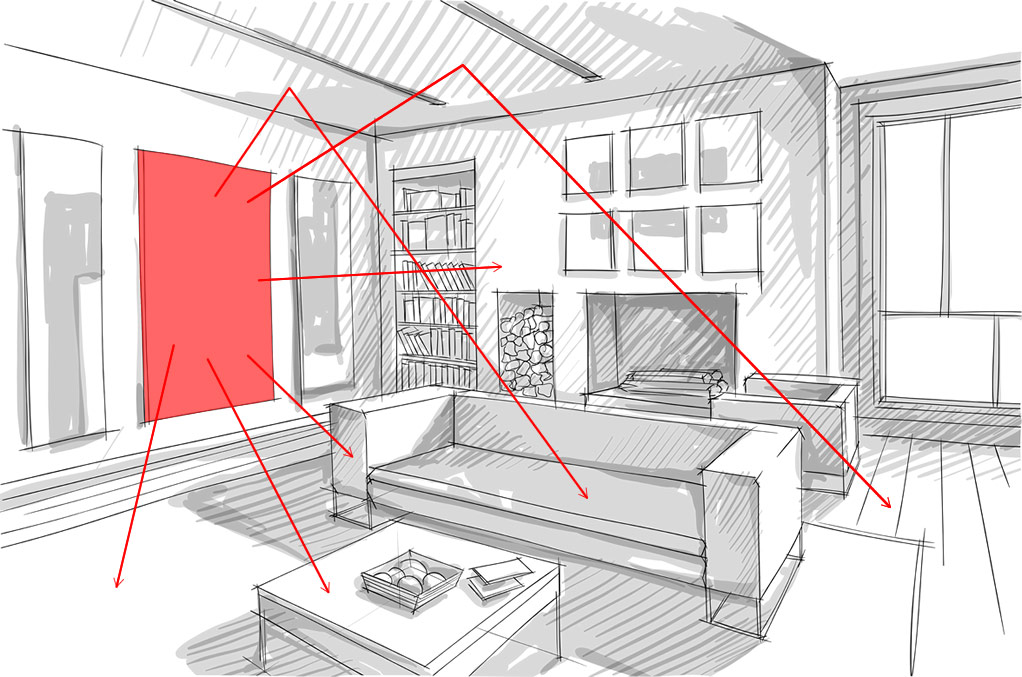
An infrared panel converts electricity into heat. Its warm front emits radiation towards surrounding people and surfaces. Surfaces within reach absorb energy and release heat onwards, including to air. How pleasantly you experience that warmth depends on factors including distance, direction and the room’s starting temperature. Economical use therefore starts with the application.
Local extra warmth has a different objective from complete room heating. A desk may receive targeted supplementary heating while the existing installation provides background warmth. For primary heating, the panel installation must compensate for room heat loss. Establish that function beforehand. You can then assess capacity, positioning and operating costs for the same objective envisaged at purchase.
Output shows what the appliance draws when switched on
Watts indicate nominal output. A 600-watt panel draws 0.6 kilowatts when operating nominally. Heating continuously for one hour uses approximately 0.6 kWh. Within a longer period, the thermostat may switch on and off several times. Energy use therefore depends on the combined time the appliance actually heats, not merely when the programme is active.
Read more
A larger panel consumes more electricity when switched on than a smaller panel with lower nominal output. Whether the installation uses more across a whole day also depends on heating demand and switching time. Select capacity according to the room. A small model failing to achieve comfort and a large model used unnecessarily are both impractical starting points.
The comfort objective makes comparison fair
Direct electric panels deliver approximately one kilowatt-hour of heat per kilowatt-hour of electricity. Other direct electric heaters have this energy conversion too. Infrared offers a different way of distributing and experiencing warmth in the room. Potential benefits arise, among other things, when that application helps keep the intended position pleasant with another usage pattern.
Read more
A heat pump can deliver more heat per kilowatt-hour of electricity because it moves heat from the surroundings. For continuous primary heating, this difference belongs in comparison. British research into infrared heating discusses both comfort from local warmth and limitations in available practical data. Use an example from another home as background and make your own comparison according to building and use.
Write your objective concretely: comfortable desk work, extra comfort after showering or maintaining a living room at the desired temperature. Record how long the room is used too. With that starting point, assess measures for their effects on both comfort and consumption. This clarifies why an appropriate application matters more than the lowest number on a product label alone.
Capacity and positioning provide the foundation
A suitable installation helps use warmth where you want to experience it. Consider heating demand, available mounting positions and furniture layout. A large appliance in an unfavourable position may miss your occupied zone. Well-directed supplementary heating may instead provide suitable support. Total output and distribution are therefore selected together.
Limit heat loss from the room
Primary heating must account for heat lost through windows, external walls, roof, floor and ventilation. A panel does not change your home’s insulation. A large glazed frontage or room with several external walls requires its own assessment. Desired temperature and chosen design conditions also affect capacity.
Ventilation remains necessary for a good indoor climate. The aim is careful heat-loss assessment while maintaining appropriate air exchange. Keep ventilation grilles and systems available according to operating instructions. Investigate causes of draughts or unexpected cooling. A higher panel setting is not always the best first step when a building problem affects perceived warmth.
Read more
Insulation and draught sealing may reduce required warmth. Record improvements completed and still planned. A plan for current conditions may differ from one after new glazing or roof insulation. Coordinate the sequence of work before ordering a complete electric installation. Include available building information in the enquiry.
Direct warmth towards where you spend time
A floor plan shows frequently used positions. Mark the sofa, dining table, desk and possible panels. Then examine obstacles and the warm front’s direction. A tall cupboard or thick curtains between appliance and seat may restrict direct heat transfer. Include product-manual clearances too.
Read more
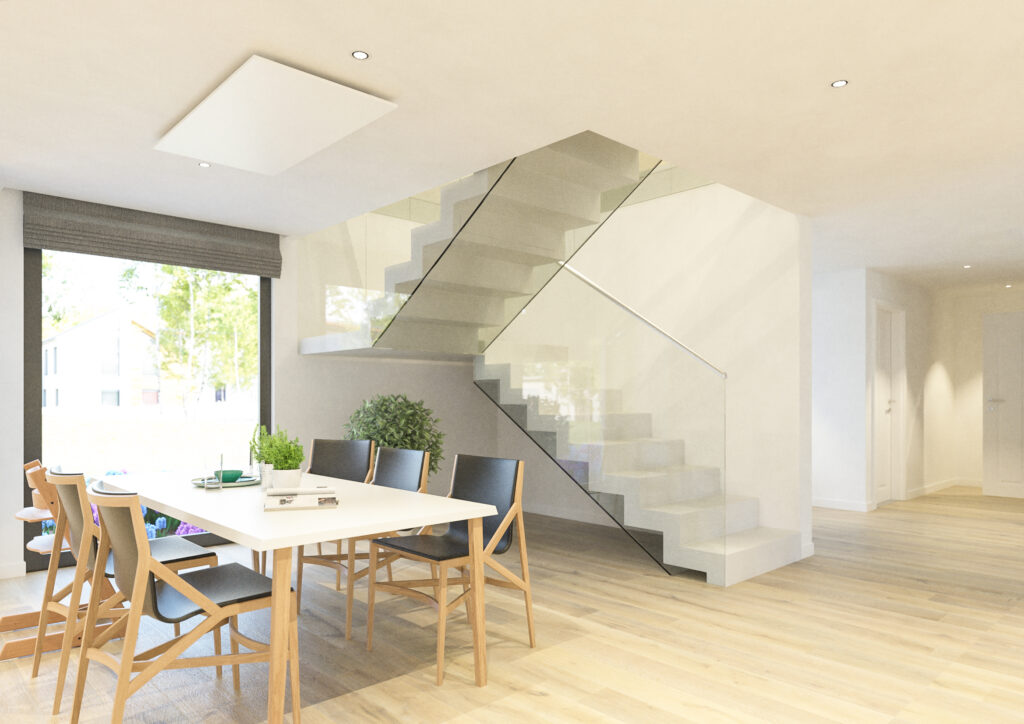
A suitable ceiling arrangement can leave walls free and provide warmth from above towards the occupied zone. A suitably positioned wall panel may face a seating area directly. The best choice depends on model, height, distance and layout. Ceiling mounting is therefore an option we assess alongside appropriate fixings and supporting surface.
If furniture layout changes, reassess panel reach. A new desk behind a tall cupboard may change perceived warmth without any appliance setting change. Check the arrangement before permanently raising temperature. Photographs of old and new situations may help discuss with us how warmth can better reach your workstation again.
Match product selection to the application
Our Welltherm range includes different outputs, dimensions and front finishes. The 100-watt ST0100 has its own under-desk workstation function. A room-heating panel needs another assessment. Select product family according to usage objective, then compare suitable models for dimensions, output and mounting.
Read more
Metal, glass and mirror offer different interior possibilities. Front selection alone does not determine electricity consumption. Combine an attractive, fitting model with required capacity and controls. We help assess that relationship so a desired finish also practically matches the warmth you want.
A heating programme matching your day
A suitable programme helps adapt warmth to when you use a room. Start with your normal daily routine and distinguish presence, absence and any background warmth. A study often has a different pattern from a living room or bathroom. Then select controls capable of supporting those differences.
A practical schedule per room
Make a simple usage-time overview for every relevant room. Record, for example, working days spent at home and usual bathroom use. Include exceptions such as a regular evening activity or changing work schedule. This helps choose timed programmes matching reality and easily adaptable when your routine changes.
Read more
For a room used at fixed times, limited preheating may help. The panel and cooled surfaces need to warm up. Start with a suitable programme and assess comfort on arrival. Gradually adjust start time if necessary. Actual experience in your room provides more information than one fixed warm-up time meant to apply to every home.
An infrequently used room may suit a different temperature profile from a living room occupied daily. Assess adjoining rooms and any moisture-sensitive positions simultaneously. A door to a cooler room may affect heating demand. Background warmth selection therefore relates to the building, not only your occupied hours in that room.
Choose thermostat, receiver and panel as a combination
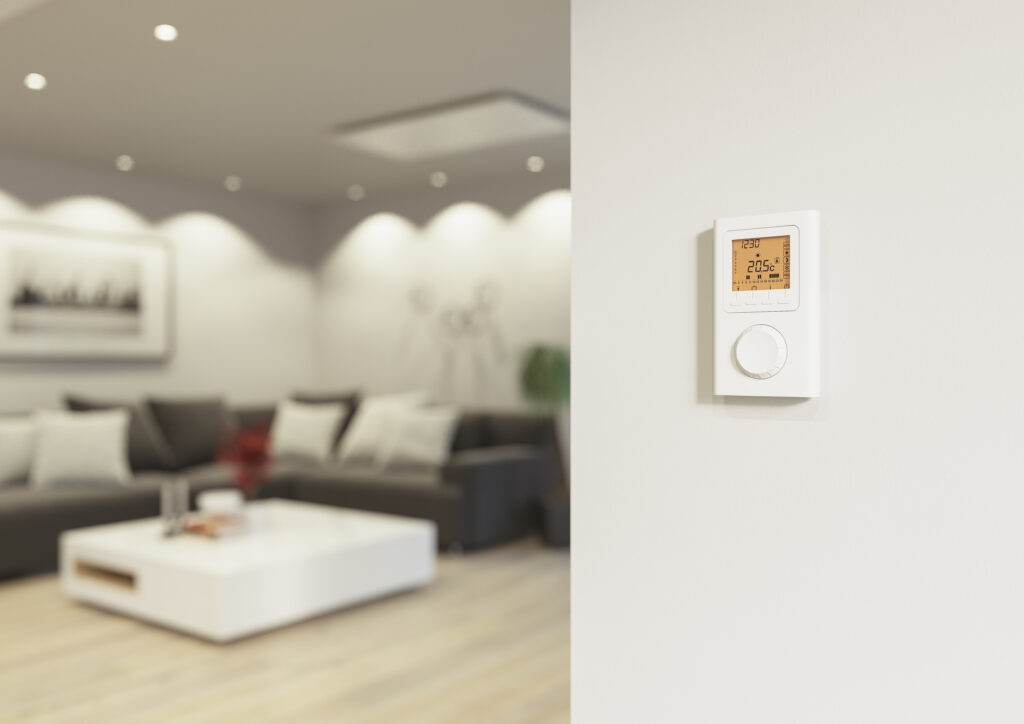
Available programme functions depend on selected control components. Explore our thermostat overview and state your preferred operation. Consider a simple temperature setting, different timed programmes or remote control. We assess which thermostat and receiver suit the panels and which components are needed.
For compatible models, the precon plug concept supports connection to suitable controls. The complete combination includes the panel and required control components. Include these together in the proposal. You then know how to operate the installation and which options are genuinely available, including when adding a room later.
Read more
The temperature sensor must measure representatively. Direct sunlight, a nearby heat source or draughts may affect readings. A thermostat warming faster than the seating area may switch differently from intended. Discuss sensor position during preparation. When setting and comfort differ inexplicably, check that location alongside the programme.
Assess a lower setting calmly
Radiant warmth may contribute to comfort at another air temperature. Assess in daily use whether a lower setting feels pleasant in your room. If appropriate, reduce it by a small step while keeping presence and positioning unchanged. Notice warmth where you actually sit, including after longer periods.
Read more
Include different conditions: a mild day, colder evening and working day spent sitting still for a long time. A setting pleasant during active household work need not feel the same at a desk. Choose a practical programme based on those experiences. The objective is a good balance between comfort and consumption that remains suited to your situation.
Measure consumption and improve settings
Measurement shows how your programme and use affect consumption. Start with a normal operating period and record assumptions. Note settings, presence and notable weather conditions. Then change one element at a time. This better reveals whether adjustments to programme, positioning or temperature produce the desired effect.
Keep a simple log
Use an overview with date, room, programme, comfort and measured energy. Describe comfort concretely: pleasant at the desk, too warm on arrival or cooler at the dining table. This makes notes useful later. A monthly amount without usage information explains less about why the installation needed more or less electricity.
Read more
For a suitable plug arrangement, compatible energy measurement can show appliance consumption. Use measuring equipment only within permitted electrical loads and conditions. Fixed installations or several appliances may need another measurement solution. Have the suitable method assessed if unsure. The aim is reliable insight without making the chosen connection unsuitable.
Record how long you used the room alongside energy. A home-working day differs from one when the room remained empty. Also consider weather: heat loss generally increases with larger indoor-outdoor temperature differences. Compare similar days as far as possible before concluding how a new setting affects consumption.
From kilowatt-hours to example costs
In a hypothetical example, consider a 600-watt panel actually operating for three hours distributed across a day. Energy use is 0.6 × 3 = 1.8 kWh. At a hypothetical tariff of €0.30 per kWh, that costs €0.54. Eight hours of presence does not automatically mean eight hours of continuous operation; actual switching time makes the difference.
For several panels, calculate energy per appliance or use suitable measurement for the complete installation. Different panels may have different switching times when separately controlled in individual rooms. A monthly estimate must then include usage days and conditions. Our guide to Welltherm infrared heating consumption helps develop the calculation further.
Read more
Use your energy contract’s tariff and conditions for your costs. An example amount explains the calculation method. With varying tariffs, time and consumption may matter together. Assess available measurements per period where appropriate. This gives a cost picture suited to your situation rather than a general average.
Measure supplementary heating alongside the existing installation
If aiming to save on existing room heating through energy-efficient Welltherm electric heating, examine both energy sources. Record whether central settings change and which rooms receive less warmth from the existing system. The panel adds electricity consumption. Financial comparison then depends on the actual reduction in existing energy and your tariffs.
Read more
Do not let original heating unknowingly continue doing the same thing when investigating supplementary heating’s effect. Record the chosen background setting and assess comfort at the occupied position. Change one element at a time so the result remains traceable. Discuss the plan with us if combining different controls proves difficult.
Comparison over a short mild period does not predict the whole heating season. Use initial measurements mainly to improve settings and positioning. For a larger investment, assessing heating demand and different scenarios is useful. This connects practical experience to a plan for cold days and longer use.
Insulation, solar electricity and your heating plan
Conscious use is one part of energy-efficient heating. Heat retained by your home and available electricity affect the whole. Look beyond the panel to building conditions and energy data. Preparation for one workstation is more straightforward than for an entire home moving to electric heating.
Use solar electricity when heat is required
Your solar panels can supply heating electricity when production and demand coincide. A sunny working day may therefore differ from a cold evening. Winter heating demand is often high while solar production is more limited. Compare generation and consumption times to identify the portion genuinely available directly.
Read more
Adapt the programme to presence and desired warmth while considering possible solar electricity. Raising room temperature solely to consume generation requires a separate assessment. Extra warmth may also cause extra losses. Start with necessary comfort, then assess whether another start time makes sense for that same objective.
Walls and floors can absorb heat and release it later. How much and for how long depend on material, building and temperatures. This does not make your home an unlimited heat store. Use measurements when assessing a preheating strategy. Include both later-day comfort and total energy consumption.
Careful use supports the result
Keep the panel unobstructed and clean according to its manual. Allow it to cool first and follow the prescribed method for its finish. Pay attention to fixings, cable and controls too. A panel has no water circuit needing bleeding, but careful handling remains useful for daily operation.
Read more
Ventilate appropriately and investigate moisture problems at their cause. Heating can form part of a comfortable indoor climate alongside ventilation and building measures. Pleasantly warming a particular position is the panel’s usage objective. Other room characteristics remain important in a bedroom, bathroom or workstation.
Advice based on your data
Include dimensions, insulation, windows and existing heating in your enquiry. Describe occupied positions and desired controls. If you have measurements, also provide settings and usage days. We connect this information with suitable Welltherm models and controls. A general wish to heat more economically then becomes a concrete proposal.
For applicable panels, a five-year manufacturer’s warranty is available under the warranty conditions. Accessories and control components may have their own conditions. Include the complete combination in your purchase assessment. Through an advice and quotation enquiry, we help match product selection to your room’s heating demand and use.
Start with clear heating requirements
Energy-efficient Welltherm infrared heating combines suitable capacity, a practical position and a programme matching your day. Then measure what the installation does and make targeted adjustments. With your room data, we help make a complete selection. Request advice and a proposal for thermal comfort matching how you live and work.
Frequently asked questions about economical use
Is lower wattage always more economical?
Lower output uses less electricity while switched on but must suit the application. Daily use also depends on heating demand and switching time. Choose sufficient capacity for the comfort objective, then assess controls. Comparing wattages alone explains too little about complete installation use.
Can a thermostat reduce my consumption?
Suitable controls help match installation operation to desired temperature and operating times. The effect depends on original settings and circumstances. Choose a compatible panel, receiver and thermostat combination. Then measure programme changes under comparable conditions.
How much does a panel cost per day?
Multiply actual energy consumption in kWh by your tariff. Output multiplied by actual switched-on hours gives an example calculation. Daily costs require switching time and conditions. Eight hours of presence does not automatically mean eight hours of continuous heating.
How should I set my study heating?
Start with your work schedule, desired warmth and the time the room needs to become pleasant. Check that radiation reaches your workstation and the sensor measures representatively. Adjust the programme in small steps, recording comfort and energy consumption together.
Should I switch unused rooms off completely?
The suitable background setting depends on building, use and adjoining rooms. Include moisture-sensitive positions and heat transfer between rooms. Choose a programme supporting the room and assess the result rather than applying one switch-off rule to the entire home.
Will supplementary heating lower my energy bill?
That depends on how much existing warmth is genuinely reduced and how much electricity is added. Measure both energy sources and use your own tariffs. If original heating continues unchanged, the panel may mainly add comfort and increase total consumption.
Do solar panels help with consumption?
Solar electricity can contribute when production and heating coincide. Examine generation and demand times, especially in winter and evenings. Annual yield alone does not show enough about direct availability. First adapt the programme to desired warmth.
What can HeatXL do for my situation?
We help select suitable Welltherm panels and control components according to room, heating demand and use. Share dimensions, photographs and known insulation. Also provide existing heating and any measurements so we can connect options to daily heating requirements.