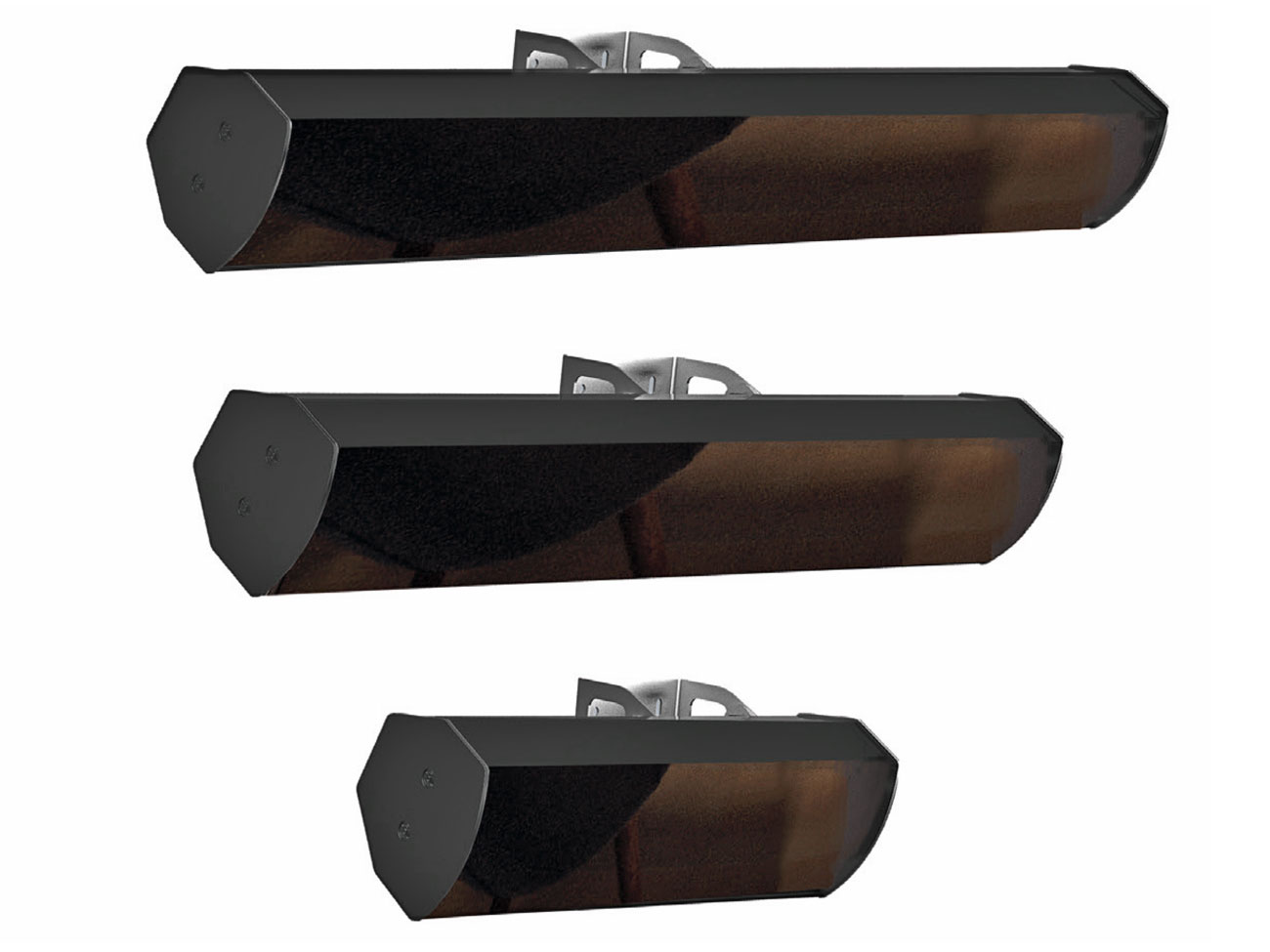
Welltherm product image
WELLTHERM · CERAMIC DARK RADIANT HEATERS
HPGS black infrared dark radiant heater
Explore the available Welltherm range, prices and ordering options. Opens in a new tab.
A Welltherm HPGS black infrared dark radiant heater provides targeted warmth with ceramic elements. Compare the three HP Glas models for your suitable veranda, occupied zone or indoor project.
- HP Glas · black
- 650, 1,300 or 1,950 watts
- Ceramic infrared radiant heater
A tailored proposal for your space, finish and installation.
Targeted warmth with a glass version
The HPGS range forms part of Welltherm HP dark radiant heaters. Ceramic elements provide heat without the conspicuous visible glow of some other heater types. This black glass version has a different front and dimensions from Klassik. You can use this range on a suitable veranda, sheltered half-open terrace or suitable indoor project. We advise you on output and positioning.
Output and controls for your location
HPGS versions of 650, 1,300 and 1,950 watts are listed. These heaters have an IPX4 protection rating and are suitable for wall and ceiling mounting from 1.80 metres with prescribed installation clearances. Actual perceived warmth also depends on wind, positioning and distance. Vida can make a suitable combination adjustable; temperature controls must also be suitable for an intended indoor application.
HPGS black infrared dark radiant heater with a glass version
HPGS is the black glass variant of the ceramic Welltherm HP range. This version is an option when the visible front plays an important role in designing a veranda, sheltered half-open terrace or suitable indoor space. Heat comes from ceramic elements; glass distinguishes the version, not a change to a standard glass wall panel. Therefore view the complete appliance shape and HPGS technical details. You can choose the front you like while having the right capacity and mounting position assessed.
For a project with black window frames or dark ceiling lines, the appliance may visually match those elements. In light surroundings, the same version stands out more as an accent. Take a photo from the main occupied position to assess this. A product image against a white background does not show how the appliance looks above a table or along a roof edge. We can consider its desired place in the design, but permitted installation and heat distribution remain the conditions for the final choice.
Compare the black glass front with Klassik
The HPGS range has different dimensions and weights from HPKS, the black Klassik range. At the same output, HPGS is slightly longer and heavier. This is useful information when reusing an existing fixing position or with limited beam space, for example. Matching colour does not mean both versions are interchangeable without checks. Compare the entire item, fixings and surroundings. The aim is suitable installation of the selected product, not only replacement of a visible black front.
To see both designs side by side, also view HP Klassik black. Both ranges use ceramic elements for heating, while appearance and model details differ. A preference for the glass front need not coincide with greater heat demand. We choose suitable capacity for your zone first, then compare the corresponding version. This keeps the visual choice separate from unsupported expectations that a colour or front finish alone uses less electricity.
The three HPGS models in detail
HPGS0650 uses one 650-watt ceramic element. The appliance measures 26.7 by 9.5 by 17.1 centimetres and weighs 1.9 kilograms. HPGS1300 contains two elements, totalling 1,300 watts, with a length of 51.7 centimetres and weight of 3.3 kilograms. HPGS1950 has three elements and 1,950 watts, with a length of 76.7 centimetres and weight of 4.6 kilograms. The two larger models also have the specified cross-sectional dimensions of 9.5 by 17.1 centimetres. Check these details against your available position.
The figures help model comparison but do not independently determine which appliance you need. A longer heater with more output may need a different arrangement from a compact model. Therefore provide the length and depth of the occupied zone, mounting height and distance to seating. User numbers also matter for layout. For a broad table arrangement, we can assess whether the proposed direction fits. For several seating groups, we consider appliance distribution as a whole, including required connections and controls.
A veranda with glass walls remains its own situation
A veranda can be both sheltered and open. Sliding walls, an open front and a roof affect its use and conditions. Therefore describe whether the glass walls usually remain open or closed during heating. Also state where airflows are noticeable and which seats you use most often. A fully open terrace and largely enclosed veranda are different design situations. Only the area beneath the roof is not a reliable basis for automatically assigning one HPGS model.
The glass front’s wall or ceiling position must also match space usage. A frequently moved chair, extending table or changing seating area alters the desired occupied zone. Include these possibilities in the advice discussion. We can then consider positioning that best matches ordinary use. Final perceived warmth also depends on shelter, distance and direction. We therefore assess capacity and position together rather than promising a fixed comfort result for every veranda with the same floor area.
Combine the dark appearance with your lighting plan
A dark radiant heater is not a lighting element. Ceramic technology provides warmth without the conspicuous visible glow of some other heater categories. With HPGS, you can therefore assess the visible black glass front as part of the interior and plan lighting separately. Check that wall lights, ceiling spots and heater do not obstruct one another. The view from the table can also matter: an appliance beside a lighting line creates a different impression from one centrally above seating. Technical positioning options determine which designs are achievable.
An understated evening arrangement often comprises several elements: light, seating comfort, shelter and warmth. Choosing HPGS provides the heating part within a suitable installation. It supplies no extra light and does not replace circulation lighting. Therefore discuss both systems’ positions with the installing party. This is particularly practical when organising wiring out of sight during renovation. Drawing the design beforehand allows supply and fixings for each component to be prepared instead of later positioning a heater in the only remaining space.
Positioning with sufficient height and clearance
Minimum mounting height for HPGS is 1.80 metres. The HP manual generally recommends 2.3 to 2.5 metres. According to range details, the appliance can be wall or ceiling mounted with suitable fixings and prescribed direction. The catalogue lists ceiling bracket 14214 for the HP range. Have that combination and required components confirmed for your version. The structural substrate must suit the model and fixing configuration. A matching beam width or attractive visible point alone is not a complete installation assessment.
Observe HP clearances of at least 30 centimetres to the ceiling and 5 centimetres to adjacent walls. Curtains, textiles and other combustible materials must remain at least one metre away. Aim the heater with the prescribed bracket within the permitted angle; the mounting wall must not be directly irradiated. Include moving sun shading and curtains in the check. Another position can alter clearances. The installer uses HPGS instructions for all this, not details from another ceiling product.
Assess IPX4 together with the environment
HPGS has an IPX4 protection rating. That belongs to the appliance and does not give general permission for every outdoor position. Assess the location together with power supply, wiring and any controls. Sheltered installation beneath a suitable structure must still meet product conditions. Therefore send photos showing the roof edge, open sides and possible exposure. The HP manual excludes the appliance, connection point and wiring from bathroom zones 0, 1 and 2. This range does not replace a specific bathroom panel based on the same IP designation.
If the location gains a different function later, have installation suitability reassessed. Enclosing a veranda or adding other screens can change the heating purpose. Changed connection component positions are also relevant. We help prepare product selection; the installing party checks the specific installation. This keeps the protection rating and installation conditions part of a full assessment alongside the desired black glass appearance and warmth at the occupied position.
Assemble supply and controls without assumptions
HPGS has a 185-centimetre connection cable with open cable ends. Have it connected professionally and define the cable route beforehand. This product does not have the same connection as a standard precon panel or appliance with a fitted socket plug. State where power exists and which controls you want. For several heaters, total installed output matters for electrical preparation. The chosen dimmer, receiver or thermostat must suit the configuration and installation purpose.
For a suitable combination, Vida can make the heat setting adjustable. Associated functions and operation depend on the chosen Vida version. A dimmer is not automatically a room thermostat and app control is not universally included. For indoor space heating, we assess suitable temperature controls separately. Read more about Vida and infrared heater controls or describe desired operation in the enquiry. We then select not just a black appliance but a usable package with clear functions and suitable connection components.
From first use to a fixed routine
The ceramic heater has a warm-up phase. When you experience pleasant warmth depends on the surroundings, heat setting and seated position. A fixed warm-up time would not adequately describe these differences. During preparation, state whether you mainly use the system for planned evenings or also briefly between activities. This helps select controls and discuss realistic expectations. For fully heating an indoor room, we also consider heat loss and the need for room temperature controls as part of the heating plan.
Keep the prescribed clear space available during use. Let the appliance cool after switching off before maintenance or work and follow maintenance instructions. Retain the article number and documents with the installation so later questions about the glass model can be specific. For an extension, also identify existing control components. We can then assess how an additional heater fits the existing system without relying solely on the same black appearance or output.
Prepare your HPGS proposal specifically
For a quotation, send photos of the structure and main seats. Provide available mounting height, open sides, possible wind and desired usage times. Note which of the three HPGS items you are considering and whether wall or ceiling mounting is preferred. Mention moving curtains or sun shading and existing supply. If capacity is not yet clear, we can prepare selection with these details. The desired black glass front is a clear product preference while output and positioning are matched to your situation.
A price comparison is useful only when fixings and suitable controls are also clear. In the quotation request, state which components already exist and who performs installation. HeatXL then identifies the HPGS version and additional components included in the proposal. To compare a lighter glass finish, also view HP Glas white. This lets you choose a design within the correct product group while having the complete heating plan assessed for your occupied zone.
A glass wall that can open
For a veranda with a fully opening glass wall, show the mounting position in both usage situations. Take one photo with the wall closed and another showing open sections and seating. State where panels are parked and which curtains or other screens move with them. The HPGS heater remains fixed while shelter and clear space below can change. This information helps assess direction and conditions.
Also state which situation you most often use during heating. Proposed capacity can then relate to ordinary use without taking the closed arrangement as a universal standard for every evening.
Current range
Welltherm HP Glas Black
Targeted infrared warmth for a suitable veranda, sheltered half-open terrace or indoor project. We help select output and controls.
| Article | Version | Power output | Dimensions | Weight | Quotation |
|---|---|---|---|---|---|
| HPGS1950 | Ceramic dark radiant heater | 1950 W | 76,7 × 9,5 × 17,1 cm | 4,6 kg | Choose HPGS1950 |
| HPGS1300 | Ceramic dark radiant heater | 1300 W | 51,7 × 9,5 × 17,1 cm | 3,3 kg | Choose HPGS1300 |
| HPGS0650 | Ceramic dark radiant heater | 650 W | 26,7 × 9,5 × 17,1 cm | 1,9 kg | Choose HPGS0650 |
- Protection rating
- IPX4
- Mounting height
- From 1.80 m; follow the installation clearances
- Technology
- Ceramic elements
Connection and application: 185 cm cable with open cable ends; controls appropriate to the application.
Choose a suitable mounting position for HPGS
For HPGS, the HP manual generally recommends mounting at 2.3 to 2.5 metres; 1.80 metres is the minimum. Maintain at least 30 centimetres to the ceiling and 5 centimetres to adjacent walls. Aim the heater towards the occupied zone with the prescribed bracket and permitted angle. The mounting wall must not be directly irradiated. Keep curtains, textiles and other combustible materials at least one metre away.
A sheltered, half-open veranda needs a different assessment from a completely open location with wind and rain. IPX4 does not give general permission for every outdoor position. The HP manual excludes the appliance, connection point and wiring from bathroom zones 0, 1 and 2. Have open cable ends connected professionally. Suitable temperature controls are required for space heating; a Vida dimmer controls the heat setting and does not replace those room controls.
Documentation for your version
Match the product information and installation instructions to your chosen article number. On the downloads page, we give Dutch documents priority where available.
Questions about the HPGS black infrared dark radiant heater
Which HP version should I choose?
Choose output and mounting position first. Then compare HPGS with the other Klassik and glass versions by colour, size and weight. Items have separate tables; have compatibility with a dimmer or thermostat assessed.
What do you need for a quotation?
Send the desired HPGS code, a sketch of the occupied zone and photos of the mounting position. State height, open sides, usage times, available power and desired controls. We can then assess output, positioning and components together.
How much does this Welltherm solution cost?
The price of an HPGS arrangement follows from chosen output, heater quantity, fixings and suitable control components. Request a quotation with your location details and desired version so the proposed configuration is clear.
Explore these options too
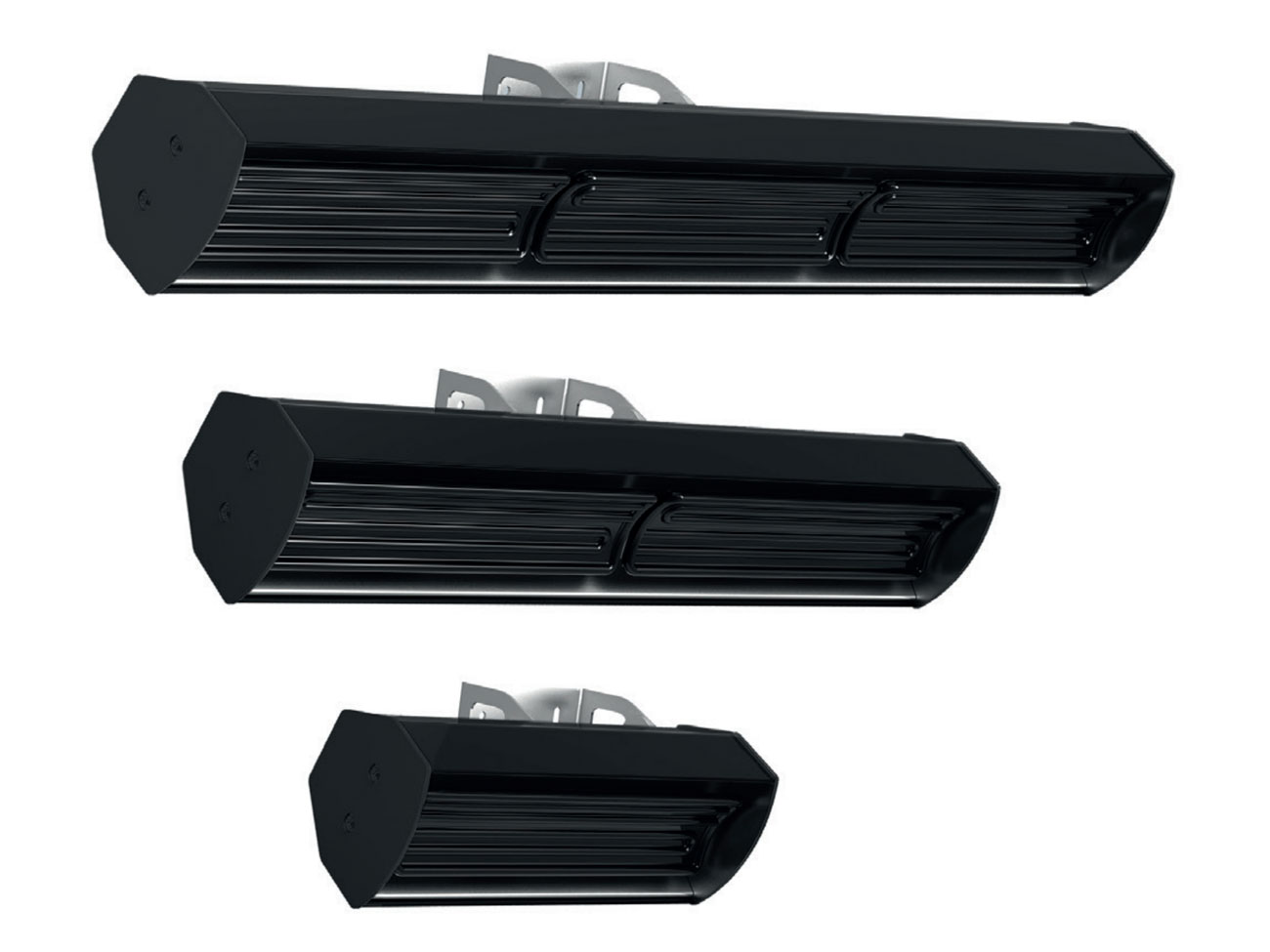
Ceramic dark radiant heaters
HPKS black infrared dark radiant heater
The Welltherm HP Klassik in black provides targeted infrared warmth with ceramic elements. Choose the HPKS version that suits your terrace, veranda or suitable project space.
View finish ↗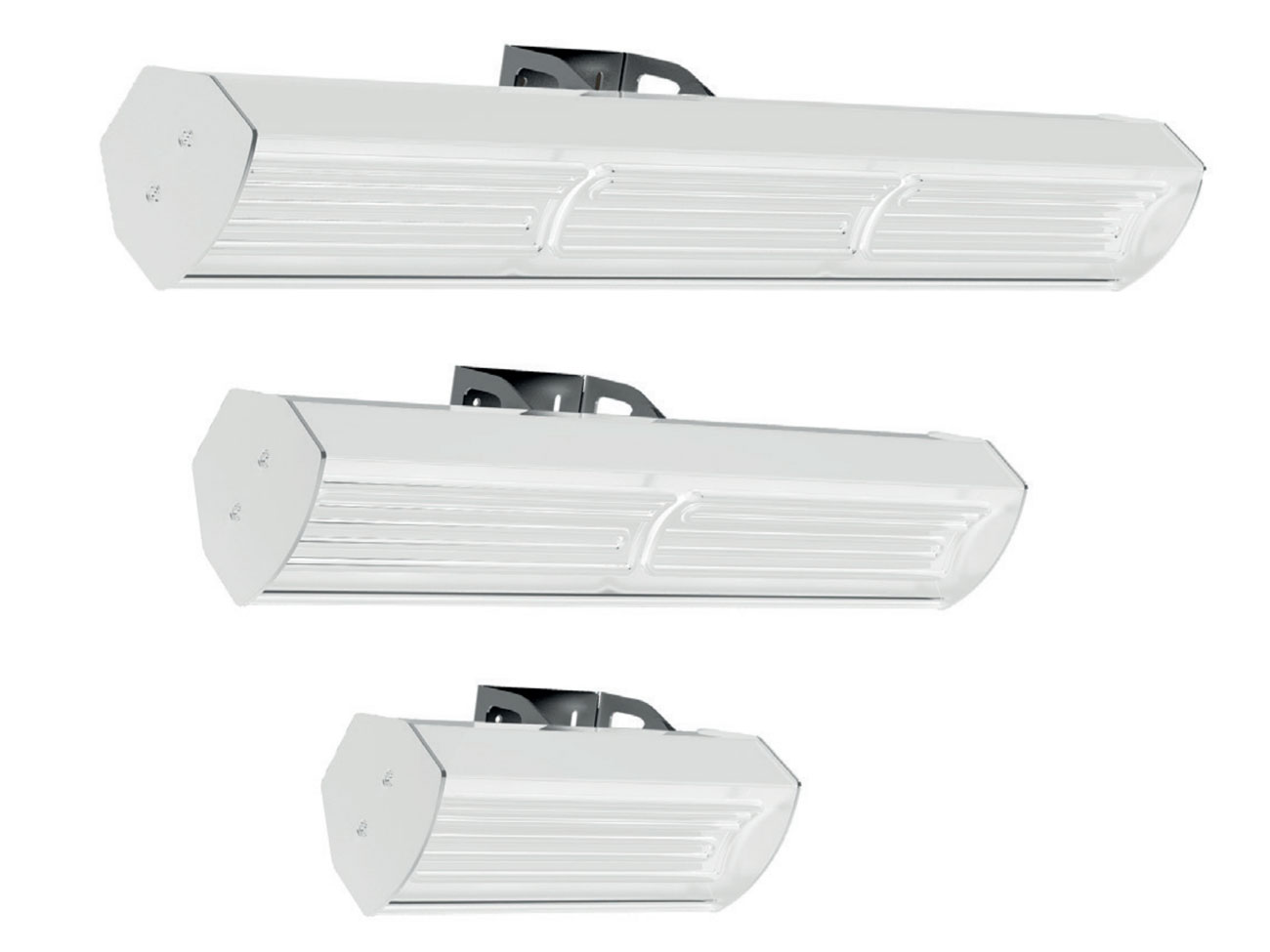
Ceramic dark radiant heaters
HPKW white infrared dark radiant heater
The Welltherm HP Klassik in white provides targeted infrared warmth with ceramic elements. Choose the HPKW version that suits your terrace, veranda or suitable project space.
View finish ↗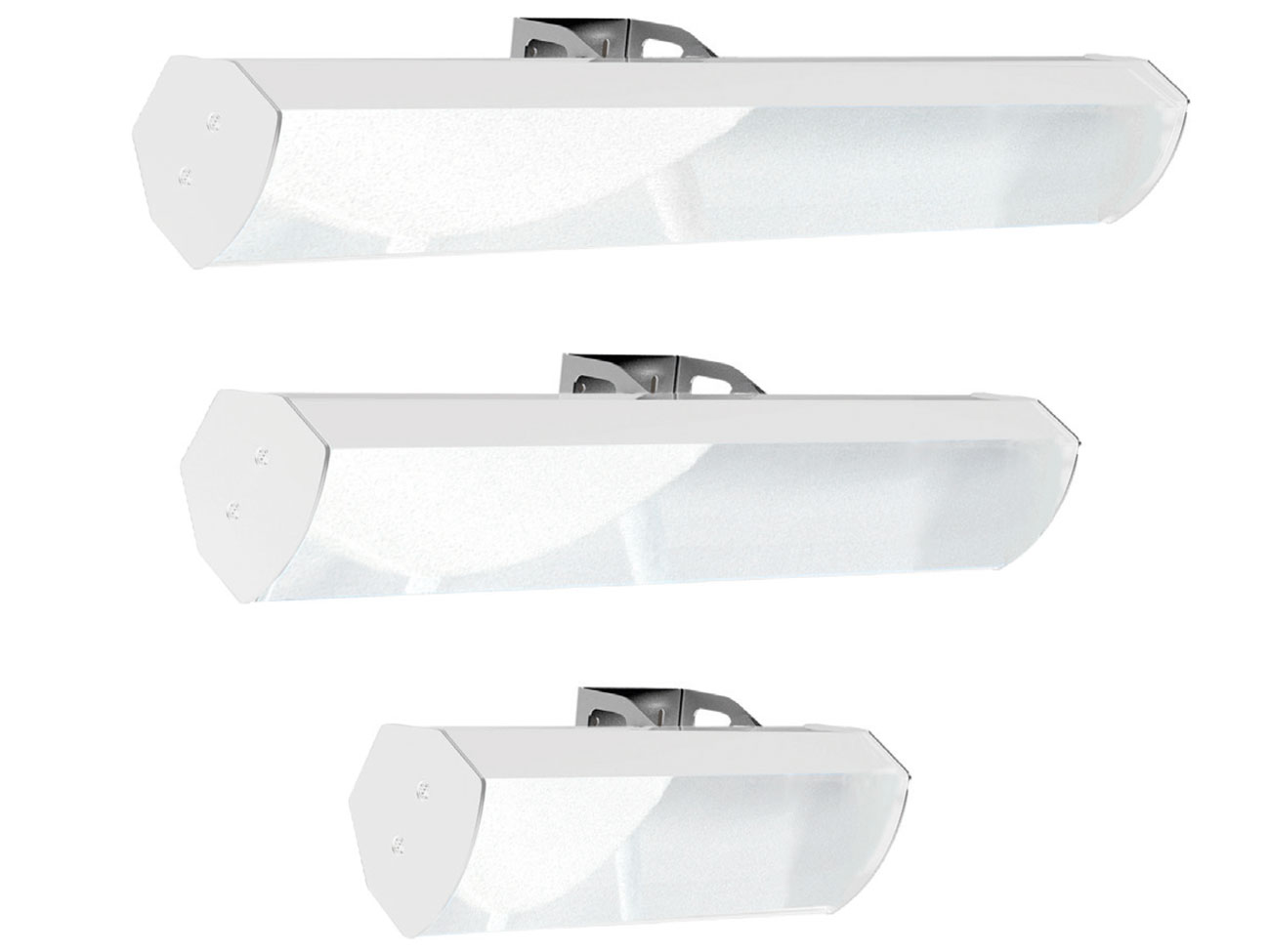
Ceramic dark radiant heaters
HPGW white infrared dark radiant heater
The Welltherm HP Glas in white provides targeted infrared warmth with ceramic elements. Choose the HPGW version that suits your terrace, veranda or suitable project space.
View finish ↗From product choice to a tailored proposal
Tell us which space you want to heat. You receive advice on the suitable version, output and installation, with a quotation for your situation. To prepare, you can prepare radiant warmth for a veranda, or view suitable Vida controls.