Welltherm · knowledge & inspiration
Choose Welltherm infrared heating for your veranda
31 March 2026 · Welltherm Netherlands / HeatXL
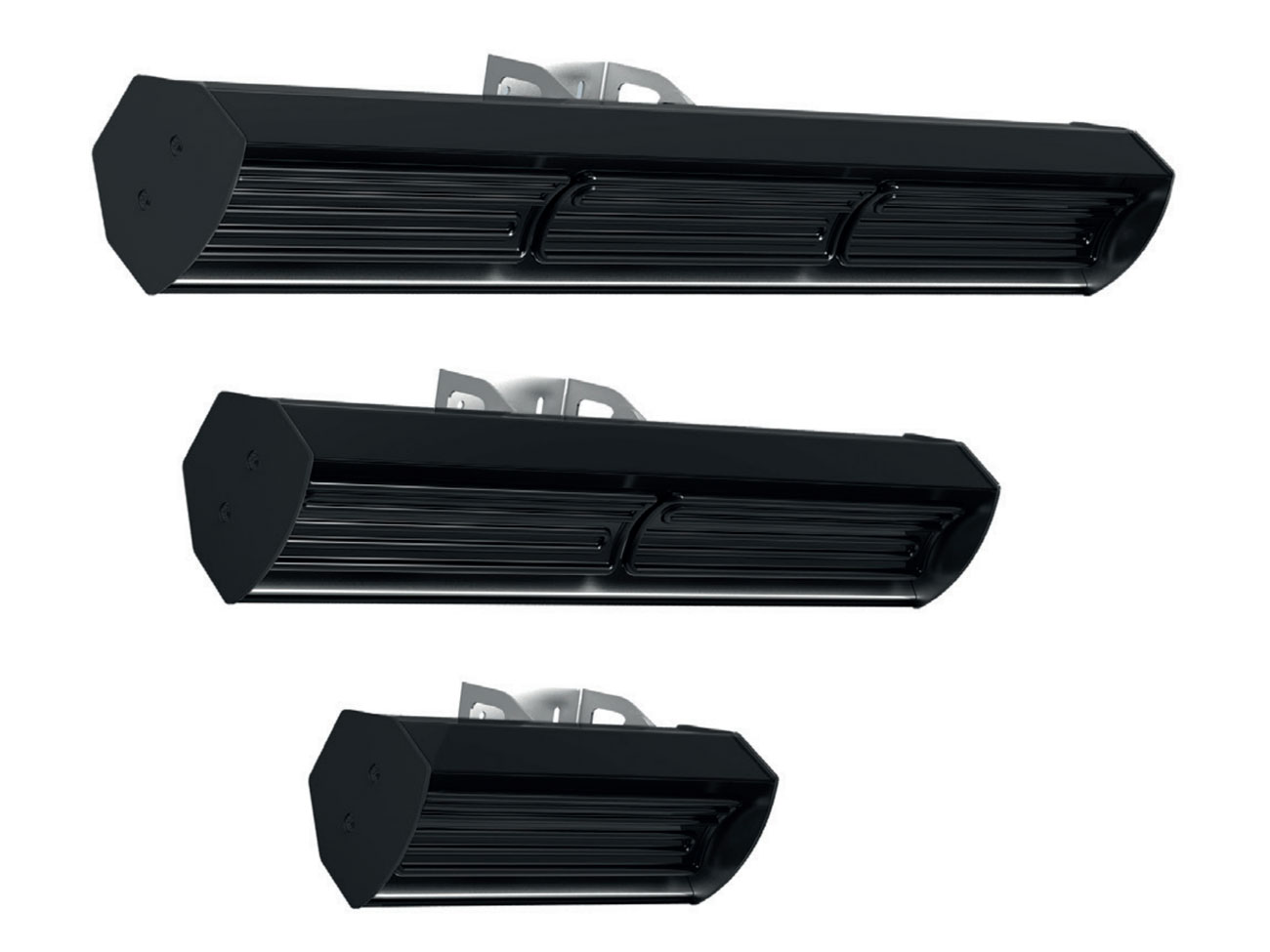
A veranda may be an open canopy, a sheltered seating area with sliding walls or a fully enclosed garden room. This distinction determines how to choose Welltherm infrared heating for your veranda. In an open location, you mainly want to experience warmth where you sit. In an enclosed room, a desired room temperature may also be the objective. The same heating solution therefore does not automatically suit both situations.
Key points
- Distinguish an open veranda, semi-open seating area and enclosed garden room.
- Use indoor panels only within the exact model’s permitted application.
- HP Klassik and HP Glas are dedicated ceramic heaters; assess shelter and installation requirements.
- Reach, distance to the seating group and mounting matter at least as much as wattage.
- Have electrical connections and suitable controls assessed as a complete combination.
Start with your veranda’s construction and use, then the product. We consider shelter, mounting height, seating and electrical connections. We can then assess whether a purpose-suited infrared heater or an appropriate solution for an enclosed indoor space matches your preferences. Welltherm NL and HeatXL guide that selection with attention to the specific version so an attractive outdoor space also receives a considered heating plan.
First establish which type of veranda you have
Open, semi-open or fully enclosed
An open veranda’s air is continually connected to outdoors. Wind and outdoor temperature strongly influence perceived warmth. Expecting the same stable air temperature as an insulated living room is unrealistic there. Design therefore mainly targets a sheltered occupied position and a heating product explicitly suitable for that application.
Read more
A semi-open veranda might have a roof and two side walls while the front remains open. Shelter may make a considerable difference but does not turn the space into an indoor room. Even a veranda with glass sliding walls may have gaps and little insulation. Discuss how walls are usually positioned during use and how much wind reaches the seating area. Daily reality matters more than the name given to the space.
For a fully enclosed garden room, consider room heating if the product and conditions suit it. Assess windows, roof, floor and connection to the house. A thin glass roof and single glazing cause different losses from an insulated structure. An enclosed sliding wall therefore does not automatically mean a standard indoor panel has sufficient output or is suitable in every position.
Warmth at a seat or a warm room
Establish your comfort objective beforehand. Do you want to feel less cold while drinking coffee, or sit comfortably at a dining table for long periods in winter? Will you use one seating group or several positions simultaneously? These answers determine the area to heat and useful controls. A short evening outdoors clearly differs from a garden room serving as a study daily.
Read more
Radiant warmth reaches people and surfaces receiving its energy. This can feel pleasant in a sheltered seating position without bringing all surrounding air to an indoor temperature. Wind nevertheless continues affecting your body and conditions. Infrared does not make an open veranda wind-free. Selected output cannot therefore compensate indefinitely for missing wind protection.
For primary heating in an enclosed room, we assess heat losses. Heated surfaces also transfer warmth to air, allowing room temperature to rise when sufficient capacity is available. This takes time. Both the heating product and room have a warm-up process. Include warm-up time when planning use, especially when the outdoor room has cooled for a long period.
Shelter as part of the design
Examine where wind enters and where people actually place chairs. A heater warming an empty corner provides little comfort in the occupied position. A glass side wall can block wind but may remain a cold surface. Floor and roof can affect perceived warmth too. Draw not only the veranda’s outline but also the table, benches and circulation routes.
Read more
Also consider seasonal changes. The space may stay open in spring and have closed walls in winter. Describe both usage situations and identify the more important one. We can then assess whether one solution suitably serves both objectives or another choice is needed. Selecting a system for the most favourable conditions may disappoint during cold or windy periods.
Better shelter may be a targeted improvement before adding more output. This still requires attention to ventilation and construction. Have canopy changes assessed carefully. Heating belongs in the spatial design but does not replace a well-considered structure. This prevents technical selection becoming disconnected from the position you want to use.
Choose suitable Welltherm technology for the situation
Indoor panels and veranda heaters serve different purposes
Our flat indoor panels are not general outdoor heaters. Even beneath a roof, moisture, temperature differences and wind can affect suitability. Do not take an arbitrary living-room panel to the veranda. The exact product’s manual and permitted application determine possibilities. A sheltered mounting location is a condition, not a substitute for product-specific suitability.
Terms such as short-wave, long-wave, patio heater and dark radiator describe different aspects of heating products. Do not use these terms as the only decision rule. Shelter and intended use matter, as does the appliance’s specific design. A proposal establishes the intended series and why its characteristics may suit the selected location.
Read more
For appropriate sheltered applications, the Welltherm range also includes infrared heaters. These are different products with their own mounting requirements, connections and controls. Appearance is not the only difference. Heat emission, dimensions, installation height and required electrical arrangement may differ from a standard wall panel. Compare the complete product category with your veranda.
HP Klassik and HP Glas as concrete examples
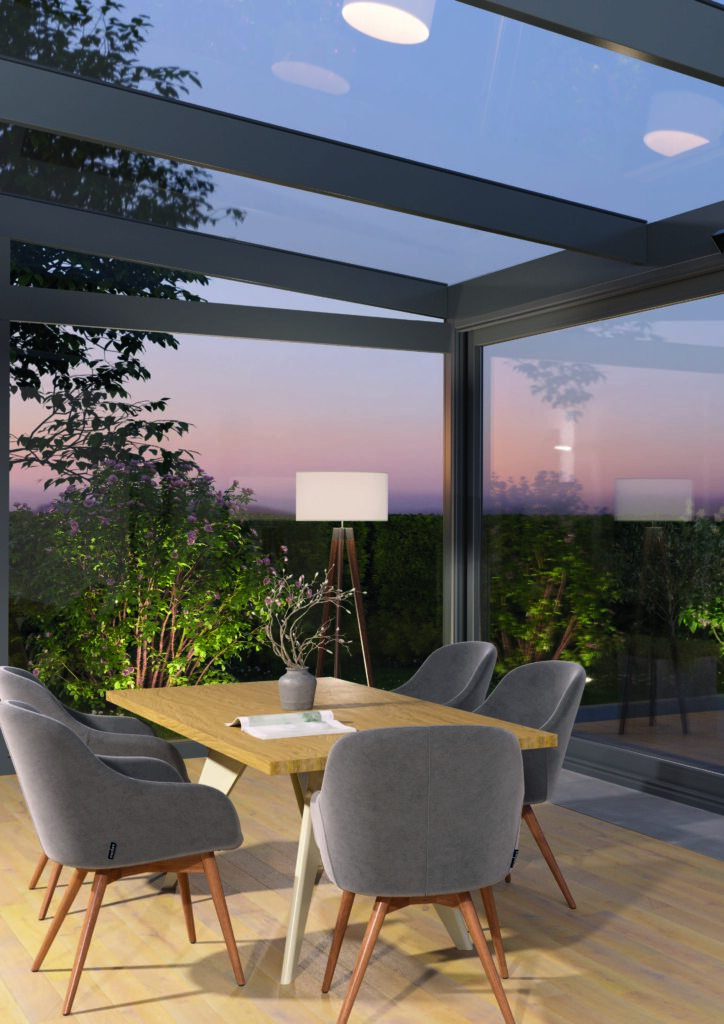
Our 2026 catalogue describes HP Klassik and HP Glas as ceramic infrared heaters. Black and white versions and models of 650, 1300 and 1950 watts are available. HP Klassik variants use one, two or three ceramic elements respectively. Output is therefore connected to a specific version with accompanying dimensions and weight.
The catalogue specifies IPX4 and wall and ceiling mounting for these series. The HP manual gives 1.80 metres as the minimum mounting height; 2.3 to 2.5 metres is generally recommended. Maintain at least 30 centimetres to the ceiling and 5 centimetres to adjoining walls. Curtains, textiles and other combustible materials remain at least one metre from the appliance. Direct the heater towards the occupied zone according to the mounting drawing without directly radiating towards its mounting wall. Also discuss the correct bracket for the model and the structure’s load-bearing capacity.
The HP series is therefore not a solution for every open outdoor location. Our catalogue identifies applications including semi-open patios, loggias and verandas. A fully open, very windy position or differently exposed location requires separate assessment of suitability. A nominal IP designation does not automatically permit every weather condition and possible installation position.
Warmth without conspicuous light emission
The catalogue describes HP infrared heaters as dark radiators providing invisible warmth. This may appeal when ambient veranda lighting matters and you do not want prominent red light. Do not choose solely for that visual advantage. Perceived warmth must also suit seating distance and the weather in which you want to use the space.
For a fully enclosed garden room, a suitable version from our infrared panels may be relevant. The specific room and model must still be assessed. A coloured panel, mirror or image finish is an interior choice within a technically suitable plan. A wish to hide a heating product attractively must not displace necessary clearance.
Read more
The glass variant and Klassik version have their own appearance, dimensions and weight. A glass front gives a different appearance but does not generally guarantee lower electricity consumption. Compare versions by required output, permitted mounting and practical finish. A material or colour difference does not automatically change required warmth at your seat.
Design output and position together
Floor area is only the beginning
A general wattage per square metre says little about an open veranda. Areas of identical size can have very different shelter, and seating may be close to or far from the mounting position. Record not only length and width but also height, open sides, wind direction and the area where you want comfort. These details provide a more useful basis for advice.
Read more
For an enclosed veranda or conservatory, insulation and desired indoor temperature also matter. Extensive glass can provide solar warmth by day and considerable heat loss in the evening. A heating plan must address both situations. A pleasant result on a sunny afternoon does not prove the same panel covers complete heating demand on a dark winter evening.
Catalogue data for heatable floor area are part of product information. They do not replace assessing your conditions. Wind, distance and construction can vary particularly widely with verandas. Have a proposal prepared for the area actually used rather than directly adopting a floor-area indication as guaranteed reach.
An unobstructed view of seating and distance to users
A heater must emit warmth usefully towards the occupied zone. A tall beam, roof edge or large plant may affect its chosen direction. Chair positions matter too. Regularly rotating a table or moving a sofa may reduce the original position’s effectiveness. Use the most common furniture plan as the starting point and identify important alternatives.
Read more
In a long veranda with two seating groups, one appliance at one end may produce uneven results. Several targeted positions might be more suitable, provided capacity and electrical installation are coordinated. This does not mean more appliances are always best. It means distribution and reach must be assessed together before choosing a large combined output.
Maintain clearances to people, roof structure, walls, curtains and other materials according to the product manual. A heater can become hot. Do not hang decorations, lighting cords or textiles over it. Verandas often change with seasonal accessories; check that original clearance remains when adding a cloth, wind screen or new lighting.
Mounting suits the structure
A wooden beam, aluminium profile or masonry wall requires its own fixing assessment. The structure must safely support the appliance with prescribed mounting. Series-specific brackets and the correct supporting surface belong in that assessment. A profile appearing firm does not mean every point is suitable for attaching a heater.
Read more
Wall and ceiling mounting may offer different ways to direct warmth. Choose within permitted mounting methods and determine the position according to reach and distance. An unusual roof shape may make a wall position more practical. Conversely, a suitable ceiling position may keep sightlines calmer. Photographs and dimensions allow much better assessment than a general description.
Also reserve space for connections and controls. A cable must not accidentally pass along a hot section or moving sliding wall. For fixed connections, the route must be clear beforehand. Discuss cable routing and protected positions with a qualified professional so final implementation is both practical and installed according to product instructions.
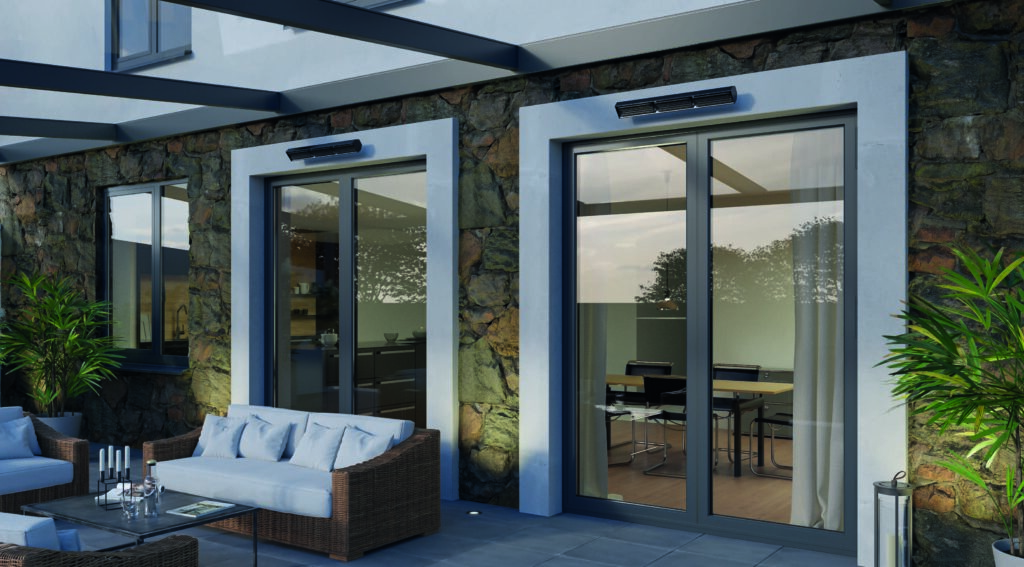
Electrical connections, controls and consumption
Have the electrical installation assessed beforehand
HP catalogue models use a 230-volt connection and open cable ends for wiring. They are therefore not automatically appliances to connect yourself using a loose extension cable. Have a qualified professional assess fixed connections, positions and required provisions. Multiple appliances also require total connected output to be considered alongside other electrical installation appliances.
IPX4 is a product specification, not a general explanation of what you may do in every outdoor space. Exposure, position and installation instructions remain relevant. Have conditions reassessed after substantial veranda changes too. An appliance previously beneath a protective roof may face different moisture or wind exposure after renovation.
Read more
Outdoor conditions need attention for every component, including switches, cable connections and any receivers. A suitable heater does not automatically make an arbitrary junction box suitable. The complete system must match the environment and selected mounting plan. State whether a connection already exists and have usability confirmed rather than merely checking for a socket somewhere.
Temperature controls or targeted output control
A room programme may be useful in an enclosed garden room. Select periods and temperatures and let a suitable thermostat switch the heating. The sensor must measure in an appropriate position, accounting for sunlight, cold glazing and direct appliance warmth. Discuss the system as a whole through our information about thermostats.
Read more
For HP heaters, the catalogue lists the DE wireless thermostat series and optional Vida dimmer with remote control or app. This is specific product information, not permission to connect every generic dimmer to a heater. Have the combination confirmed for the particular appliance and use. Include any control requirements applying to the application too.
In a semi-open position, measuring air temperature alone may explain little about perceived warmth. Controls must nevertheless remain practical and suited to the product. Discuss what you want to control: a comfort period, suitable output level or temperature in an enclosed room. This avoids a complicated combination whose user ultimately does not understand when the heater starts or stops.
A hypothetical calculation for an evening
As a calculation example only, consider a 1300-watt appliance used continuously at full nominal output for two hours. Electricity use is 1.3 kW multiplied by 2 hours: 2.6 kWh. At an illustrative tariff chosen as €0.30 per kWh, that electricity costs €0.78. The tariff is hypothetical, not a statement about current market prices.
Veranda heating is not a free extension of the outdoor season. Solar panels may generate electricity simultaneously, but evening use and winter weather do not always coincide with it. Consider your own electricity contract and operating hours. Also read our explanation of Welltherm consumption to connect output, operating time and costs carefully.
Read more
Actual consumption may differ when the appliance is controlled differently. Output control, switching times and appliance quantities matter. Assess a lower control setting according to that specific system’s operation; we do not assume a fixed percentage saving without data. Suitable measurements give a better picture of actual use.
Veranda advice matching your plans
Make the space and your use visible
Send photographs of the entire veranda, possible mounting positions and existing electrical connection. Specify dimensions and height. Identify open sides and walls you can close. Mark seating positions on a simple sketch and state distances to beams and roof. We can then discuss application and product selection purposefully.
Read more
Also describe when you want to sit there: only on cool summer evenings, in spring and autumn too, or throughout winter. This preference determines expectations and affects advice. A fully open veranda in cold weather remains an outdoor environment. We therefore discuss feasibility, required shelter and the part of the space serving as the occupied zone.
Think ahead to changes too. You may add sliding walls later or want to use the veranda as a study. Identify what is settled and what remains an idea. The proposal can then account for this without unsupported certainty about future situations. A clear usage objective makes the choice easier to assess before ordering a product and controls.
The quotation covers the complete combination
Explore versions in our range; prices are available on request. Ask about the selected heater or panels, mounting accessories and controls as a complete combination. State who carries out electrical connections. Comparing appliance prices alone says little when proposals include different components or mounting requirements.
Applicable Welltherm panels carry a five-year warranty under the relevant conditions. Have warranty provisions confirmed separately for the chosen heater and accessories. Our warranty page helps locate those conditions. Warranty and expected operating lifespan are different subjects; product selection should not rely on a general lifespan promise.
Read more
Welltherm NL and HeatXL support this coordination. With the right details, we can combine product series, positioning and controls in one proposal. Discuss weather exposure and installation questions before ordering. This makes clear which application the combination is offered for and which mounting requirements accompany final implementation.
Greater veranda comfort starts with the right application
Choose Welltherm infrared heating for your veranda according to the space actually used. Open or semi-open locations emphasise targeted warmth and shelter; an enclosed garden room may require complete heating. Do not use a standard indoor panel as a general outdoor heater, and assess an HP heater for its specific application too.
Want a suitable combination assessed? Send construction details, dimensions, photographs and operating preferences through request a quotation. We help connect output, mounting, electrical connections and controls to the comfort you want on your veranda.
Frequently asked questions about Welltherm veranda heating
Can every Welltherm panel be used beneath a canopy?
No. An indoor panel is not automatically suitable for a veranda, even beneath a roof. Conditions and the exact model’s instructions determine application. Describe wind, moisture and shelter in your enquiry so we can assess the product category specifically.
Which HP models are available?
The 2026 catalogue lists HP Klassik and HP Glas in white and black, with 650, 1300 and 1950-watt versions. They use ceramic elements. Dimensions, weight and accessories belong to the chosen model; have the complete combination documented in the proposal.
Are HP heaters suitable for every open garden?
We cannot state that generally. The catalogue lists semi-open verandas and patios, among other applications. A fully open or heavily exposed position needs individual assessment. The HP series is not a universal solution for every outdoor condition; model manual and location are authoritative.
Do these heaters emit red light?
The HP series is described as a dark radiator providing invisible warmth. This may suit a veranda where ambient lighting matters. It does not by itself establish correct capacity or reach. We assess those elements alongside mounting and shelter.
At what height should the heater be mounted?
The catalogue specifies installation from 1.80 metres for HP Klassik and HP Glas. Also use the complete mounting manual for clearances, direction and fixings. A general height dimension does not replace assessing roof structure and seating.
Can I connect a powerful heater myself?
Have electrical connections assessed and carried out by a suitable qualified professional. The listed HP models have open cable ends for wiring. Combined output, other appliances, protective provisions and outdoor conditions help determine the required installation arrangement.
How much electricity does an evening’s heating use?
That depends on output, controls and actual duration. A hypothetical example of 1300 watts for two full-power hours gives 2.6 kWh. Multiply this by your own tariff. Other settings, switching times or multiple heaters require a corresponding calculation.
Can infrared heat my enclosed veranda?
This can be assessed according to insulation, glazing, height, heat loss and desired temperature. An enclosed room is not automatically well insulated. For primary heating, capacity must match complete demand; for local supplementary heating, the task may differ.