Welltherm · knowledge & inspiration
Welltherm long-wave infrared heating: technology and comfort
8 September 2026 · Welltherm Netherlands / HeatXL
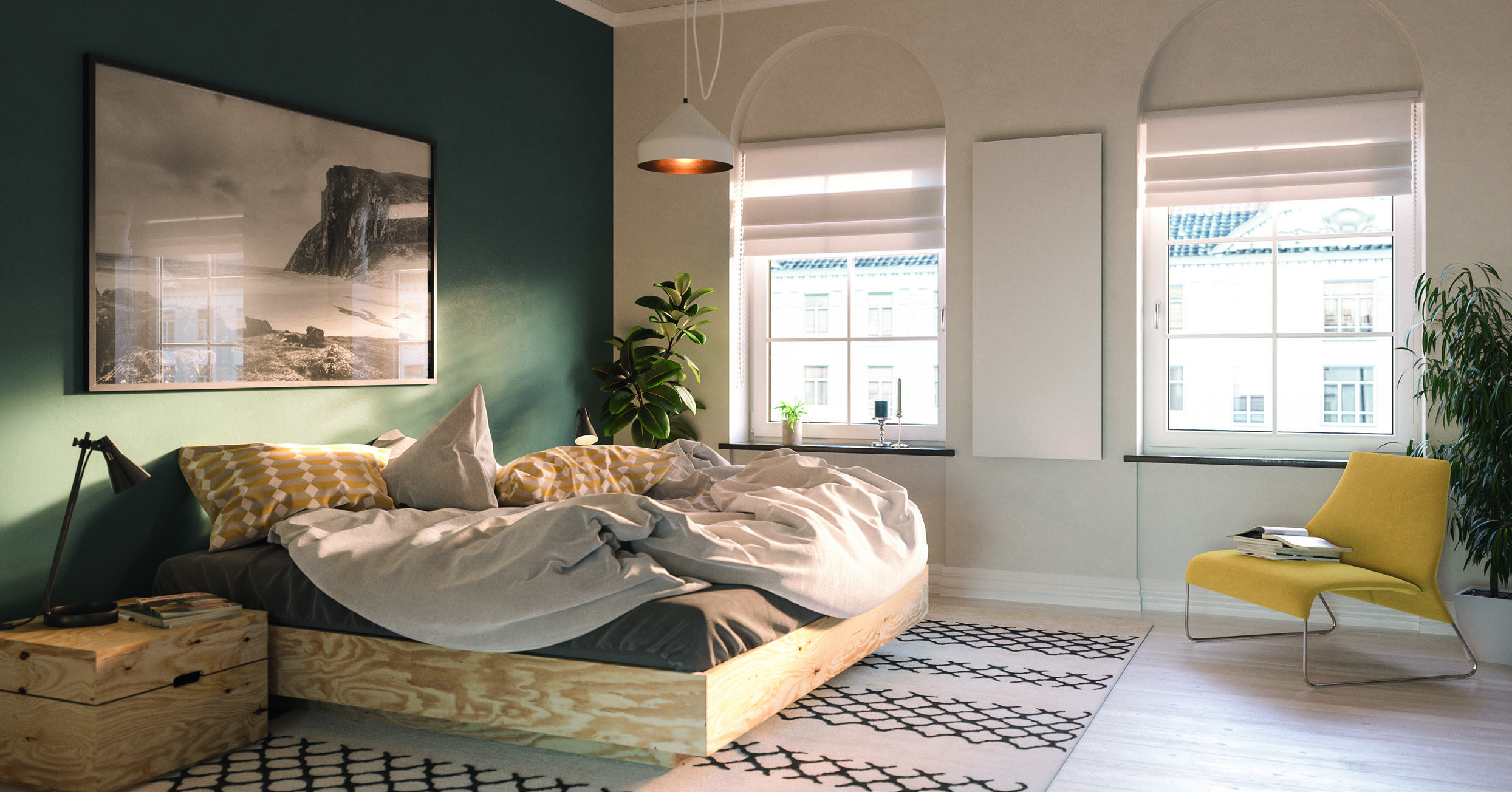
Welltherm long-wave infrared heating uses a warm panel surface to emit radiant warmth to your surroundings. You experience that warmth in a suitable position without the front having to glow like a lamp. The technology suits our panels for living and working spaces, with versions selected according to output, mounting and appearance.
This guide explains what long-wave means and how heat transfers through the room. Read about radiation, surfaces, natural convection and insulation’s role. We then connect the technology with practical matters: warm-up behaviour, panel positioning, controls and running costs. This knowledge helps assess a Welltherm solution according to the comfort you seek.
Key points
- Infrared is invisible electromagnetic radiation; IR-C is also called long-wave or far infrared.
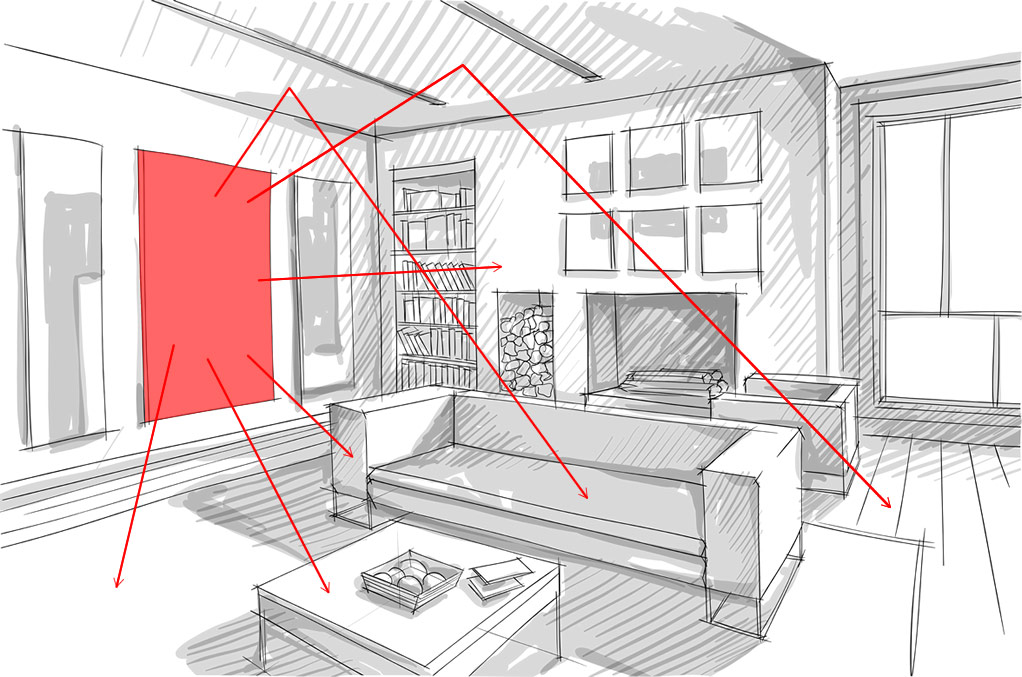
- A warm panel emits energy towards people and surfaces within reach in the room.
- Heated surfaces transfer warmth further; air also remains part of the process.
- A panel and a cold room have warm-up phases depending on the model and conditions.
- Capacity, positioning and controls connect the technology with a suitable home application.
What does Welltherm long-wave infrared heating mean?
Infrared is part of the electromagnetic spectrum next to visible light. Its wavelengths extend beyond the red our eyes can detect. Radiation here describes energy transfer through electromagnetic waves. A warm surface can emit that energy. When another surface absorbs some of it, this contributes to warming that surface.
Our heating panels focus on the warm front. You choose a model for a specific room function rather than solely a wavelength-region name. Long-wave describes heat transfer, while output, dimensions and permitted mounting determine product selection. The relationship between these details makes the technology useful for your home or workstation.
IR-A, IR-B and IR-C
ICNIRP’s infrared explanation distinguishes three regions: IR-A from 780 nanometres to 1.4 micrometres, IR-B from 1.4 to 3 micrometres, and IR-C from 3 micrometres to 1 millimetre. IR-C is also called far infrared. This classification describes wavelengths; it is not mounting advice for a heating appliance in itself.
| Region | Wavelength range | What does it describe? |
|---|---|---|
| IR-A | 780 nm to 1.4 µm | The shorter part of the infrared spectrum |
| IR-B | 1.4 to 3 µm | The intermediate infrared region |
| IR-C | 3 µm to 1 mm | The longer region, also called far infrared |
Read more
Practical heat-source selection also follows from the version, temperature, intended distance and environment. An outdoor appliance or another heating function has its own product requirements. Therefore, use an indoor panel according to its specific application. The term infrared alone does not make a product interchangeable with every other radiant heater.
Why you do not see a glowing panel
Our panels for living spaces become warm without a visible red glow from the front. You can therefore combine warmth with the lighting you choose for the room. Metal, glass and mirrors offer their own appearance possibilities. The absence of a glow does not mean the surface remains cool: the panel operates through a warm front.
Read more
A lamp heater may produce visible light alongside infrared. That visible light is not the same as infrared itself. Therefore, consider the complete appliance when comparing different heating products. Describe where you want warmth and the appearance that suits it. We connect that application with the appropriate Welltherm version.
Radiation is an ordinary form of heat transfer
Radiant warmth is not exclusive to appliances called infrared panels. Other warm surfaces also exchange energy with their surroundings. An infrared panel’s product form is intended to make practical use of that heat emission. Its front’s direction and reachable positions within the room therefore receive considerable attention during installation selection.
Read more
Comparison with the warmth felt on a cool sunny day can make the sensation understandable. This compares perceived warmth, rather than claiming a heating panel produces the same spectrum as the sun. For selection, focusing on actual panel arrangement and room conditions is useful.
How a Welltherm panel transfers heat
A panel draws electricity, and its heating element warms the appliance. The front emits energy to the surroundings. Some transfers through radiation, while natural convection also occurs around the warm appliance. The result depends on the combination of these processes together with heat the room loses through the building and ventilation.
Surfaces within reach absorb warmth
When radiation reaches a surface, that surface can absorb part of the energy. Warming depends on factors including the surface, energy received and heat released again. A wall, floor and piece of furniture have different properties. Distance and direction also influence how much panel warmth reaches a particular position.
A large object between the panel and your seat may restrict direct heat transfer. This is a reason to include furniture in the positioning plan. Heat does not simply disappear from the room because an object absorbs some, but it is distributed differently. That different distribution may matter for local comfort. Suitable positioning therefore focuses on places actually used.
Read more
The heat source’s shape also counts. A wide front and narrow panel may fit different locations. Total nominal output alone does not describe how an arrangement feels from every seat. Product selection therefore considers capacity, dimensions and the direction in which the appliance is positioned.
What thermal mass means
Thermal mass describes materials’ ability to absorb warmth. Floor, wall and furniture temperatures change while the installation is used. These surfaces subsequently release warmth again. This can contribute to room conditions when the thermostat temporarily switches the panel off. The building therefore influences warm-up and cool-down behaviour.
Read more
The strength of this effect depends on material, quantity and temperature. A thick structure responds differently from a thin furniture front. Insulation and the desired temperature also influence the overall picture. Therefore, do not base a plan on an unlimited heat reserve. Warmth released later was previously supplied to the material and remains part of the energy balance.
For a cooled-down room, this means more than the panel itself must warm up. Reachable surfaces and air have their own starting conditions. A temperature programme can support this warm-up phase. Assess required preheating in your own room with the selected capacity and its usage conditions.
The air also warms
Warm surfaces transfer energy to air. Natural air movement and ventilation also remain present. A panel need not use a fan to emit warmth, but that does not mean the room contains no air currents at all. Radiation and convection can occur alongside each other within the same installation.
Read more
For primary heating, the system must meet the room’s heat-loss requirement. Air volume and ventilation therefore remain part of the assessment. Opening a window can remove heat even when surfaces are warm. Coordinate ventilation and heating with appropriate room use. Panel technology does not replace necessary air exchange.
Windows belong in the heat balance
Glazing has properties for different forms of heat transfer. Glass type, layers and coatings can play a role. Therefore, include window area and glazing type in building details. The Department of Energy’s explanation of window technology describes how glazing and coatings affect heat transfer.
Read more
For a positioning plan, we then consider reachable occupied positions and total heating requirements. A extensively glazed room may have different losses from an equally large internal space. Insulation therefore remains important with long-wave heating. The panel supplies the selected capacity within a building with its own heat balance.
The sensation of warmth in your room
Comfort involves more than one air temperature. Surrounding surface temperatures, the heat source, clothing and activity contribute to how you experience the room. Direct radiant warmth can therefore feel pleasant at a suitable seat. Useful settings are aligned with the user and actual conditions together with capacity and arrangement.
Including direction and distance
A panel facing your workstation effectively may feel different from the same model behind large furniture. Sitting further away also changes your relationship to its warm front. These spatial characteristics belong to the design. Therefore, draw occupied positions on a floor plan and indicate where you spend extended periods.
Read more
A fixed heating circle or one general reach in metres is insufficient for this. Models, heights and layouts differ. Assess positioning using the chosen version and product details. Desired mounting must also be practical with a suitable substrate and fixings. Perceived warmth and implementation are thus treated as a connected choice.
Assessing a different air temperature
Direct radiant warmth can contribute to comfort at a different air temperature. Assess in the room whether a lower setting feels pleasant for you. You may make a small adjustment while keeping layout and occupancy unchanged. Pay attention to occupied positions and comfort after longer periods, particularly when sitting still.
Read more
A particular temperature reduction does not automatically suit every room. Personal preference and the environment remain important. Discuss existing temperature and heating preferences in your enquiry. We can align panel function and controls with these, providing a useful starting point for practical settings.
Using the warm-up phase practically
The panel warms after switching on. How quickly desired warmth is experienced relates to the model and room’s starting conditions. Local supplementary warmth may have a different objective from reaching a temperature throughout the room. Record that distinction when choosing a programme’s start time.
Read more
A daily used room may have a different baseline setting from an occasionally used space. The building and neighbouring rooms also play a part. Observe the room’s response and adjust controls in small steps. Warm-up behaviour then becomes part of the usage plan rather than a general promise about a number of minutes.
Thermal comfort and careful use
The panel is selected as heating for its intended application. Use it according to the manual and maintain prescribed clearances. The warm surface deserves attention during positioning and accessibility assessment. A suitable arrangement supports pleasant use without overlooking the appliance’s temperature.
Read more
For infrared, ICNIRP describes matters including superficial IR-C absorption and thermal effects with unsuitable exposure. This information reinforces appropriate use. Our room heating panels are selected for comfort; their product function is not translated into medical treatment. For installation, we follow the specific model’s requirements.

Connecting technology with your Welltherm panel selection
Once the heating function is clear, consider required output and available positions. For primary heating, requirements are assessed using building details, ventilation and desired temperature. For local supplementary heating, the extra comfort position takes priority. Then select suitable models with the correct dimensions and mounting requirements.
Capacity for the whole room
An infrared primary heating installation must supply required warmth under selected design conditions. Insulation, windows and external surfaces influence this requirement. A floor area or construction year alone provides insufficient certainty. Therefore, gather specific room details before selecting panels.
The calculation provides a capacity starting point. Distribution throughout the room then follows from layout and occupied positions. One larger panel and several smaller versions may produce different positioning plans. Our guide to calculating Welltherm infrared heating helps prepare details and steps.
ESHC Plus and different finishes
Our panel ranges use ESHC Plus technology. The range offers metal, glass and mirrors plus colour and image possibilities. This lets you coordinate the heat source with your interior. Complete model selection also includes output, dimensions, weight and connections. A technical name and attractive front are thus connected with the specific application.
Metal can offer possibilities for a discreet wall or ceiling solution. Glass ranges have their own finishes and models. A mirror panel can combine two functions on a suitable wall surface. Explore options in the Welltherm range and state the appearance appealing to you. We help incorporate your desired finish within appropriate product selection.
Read more
A visible colour describes the front’s appearance. For technical assessment, consider the specific version’s characteristics. Therefore, select model and finish together rather than using the word black or white alone as a performance figure. For colour and image options, we also discuss the version and requirements for the supplied design.
Walls, ceilings and specific applications
A suitable wall panel can face an occupied position. A suitable ceiling arrangement can leave walls available and supply warmth from above towards reachable surfaces. The best choice depends on the room and model. Assess height, direction and structure together. Certain glass ceiling applications may require additional securing arrangements.
Specific functions require their own versions. The 100-watt ST0100 provides personal warmth under a desk. A bathroom additionally requires assessment of positioning, the product and electrical conditions around water. Long-wave alone does not determine which model to choose. Panel function and mounting requirements remain the starting point.
Connecting quality information with the correct range
Welltherm develops and manufactures panels in Lüdenscheid. The EIHA Quality Label is relevant for metal PB panels assessed for it. Always connect this information with the corresponding models. Application in your building also needs its own assessment of heating requirements and arrangement.
Read more
Ask for identifiable model codes and their corresponding details in a proposal. These let you compare versions and components and discuss installation with the contractor. Then keep documentation with your room plan. The chosen technology remains identifiable later when you have questions about operation or expansion.

Controls, energy consumption and a suitable heating plan
Long-wave describes part of heat transfer. Daily electricity consumption is also determined by output, operating time and heating requirements. Suitable controls help align the system with temperature and usage times. Panel technology and the usage programme are therefore selected together for the room’s comfort objective.
Choosing complete controls
Panel, receiver and thermostat form a compatible combination. Available functions depend on selected components, including temperature settings, a time programme or possibly remote operation. With suitable models, precon supports connection to compatible controls. The connection concept alone does not provide complete operation.
The temperature sensor should measure representatively. Sunlight, draughts or a nearby heat source can affect readings. Therefore, plan the sensor together with the panels. Our information about thermostats helps explore possibilities. We then connect the correct range with desired functions and panel arrangement.
Electrical energy and heat
Direct electric heating supplies approximately one kilowatt-hour of heat per kilowatt-hour of electricity. Other direct electric heating appliances have the same conversion too. A panel’s benefits may include targeted application, perceived warmth and its finish. Therefore, compare usage against the same comfort objective with a clear description of the space heated.
In a hypothetical calculation, a 600-watt panel uses 1.8 kWh during three total hours operating at nominal output. At a hypothetical tariff of €0.30 per kWh, this is €0.54. Actual operating time depends on conditions. View our information about consumption to develop this calculation for your installation.
Read more
A heat pump moves heat from the environment and can therefore supply more heat per kilowatt-hour of electricity. This difference belongs in continuous primary-heating comparisons. The British infrared heating research discusses applications, comfort and different energy performance. The practical choice is then based on your building, usage and implementation possibilities.
Solar electricity and occupancy
Your own solar panels can supply electricity when production and heating requirements coincide. A sunny home-working day differs from a cold evening. Therefore, consider generation and usage times, particularly in winter. Annual yield alone provides insufficient information about electricity directly available for heating.
Read more
Preheating can align with intended use. How much warmth materials absorb and later release depends on the room. Measure total energy consumption when trying a different time programme. Begin with the warmth you actually need, then assess whether moving the start time is useful within that same comfort objective.
A proposal for your room
HeatXL supports you in the Benelux with product advice and quotations. Send dimensions, insulation, windows and existing heating. Add a floor plan with occupied positions and possible mounting surfaces. Describe the desired panel function, finish and operation. This connects the technical explanation with suitable models and a specific combination.
Applicable panels have a five-year manufacturer’s warranty according to the warranty conditions. Control components and accessories may have their own conditions. Use and cleaning follow the manual. Through an advice and quotation request, you receive a proposal with suitable panels, controls and required preparation.
Choose technology for your heating preferences
Welltherm long-wave infrared heating makes heat transfer through a warm front practical for your interior. Appropriate capacity, positioning and controls connect that technology with your usage. Describe where and when you seek warmth. Request advice and a proposal for a Welltherm solution matching your room and comfort objective.
Frequently asked questions about Welltherm long-wave heating
What does IR-C mean?
IR-C is the infrared region from 3 micrometres to 1 millimetre, also called far infrared. The classification describes wavelengths. Product selection also considers model, output and intended application. These details determine practical use of the technology.
Does a panel emit a red glow?
Our panels for living and working spaces operate with a warm front without a visible red glow. You can therefore combine the version with your own lighting and interior. The surface does become warm and is used according to product instructions.
Does the air also warm up?
Yes. Heated surfaces transfer heat to air, and natural convection occurs around warm components. Ventilation also remains part of the room. For primary heating, complete heating requirements are assessed even when radiant warmth is important for comfort.
How quickly will I feel warmth?
This depends on the model, positioning and starting temperature. The panel has a warm-up phase, and a cold room then needs time to become pleasant. Align the programme with your own room and clarify whether you seek local extra warmth or general room heating.
Do walls retain heat?
Materials can absorb energy and release it later. Quantity and duration depend on material, the building and temperatures. Include that effect in the usage plan alongside insulation and heat loss. It is not an unlimited heat reserve for every situation.
Can long-wave heating be primary heating?
It can form part of a suitable design. Capacity, distribution and electrical preparation must suit the room’s heating requirements. Share building details and usage preferences for a specific assessment. A wavelength name alone does not determine a suitable installation.
What output do I need?
For primary heating, selection begins with heat loss, ventilation and desired temperature. For supplementary heating, the extra comfort position is considered with existing baseline warmth. Record dimensions and insulation and have output and positioning assessed together for your application.
How do I control a Welltherm panel?
With a compatible combination of panel, receiver and thermostat. Available temperature and programme functions follow from selected components. State the operation you want so controls with the correct components are selected alongside the panel plan.