Welltherm · knowledge & inspiration
Welltherm infrared panel offer: compare the options
12 May 2026 · Welltherm Netherlands / HeatXL
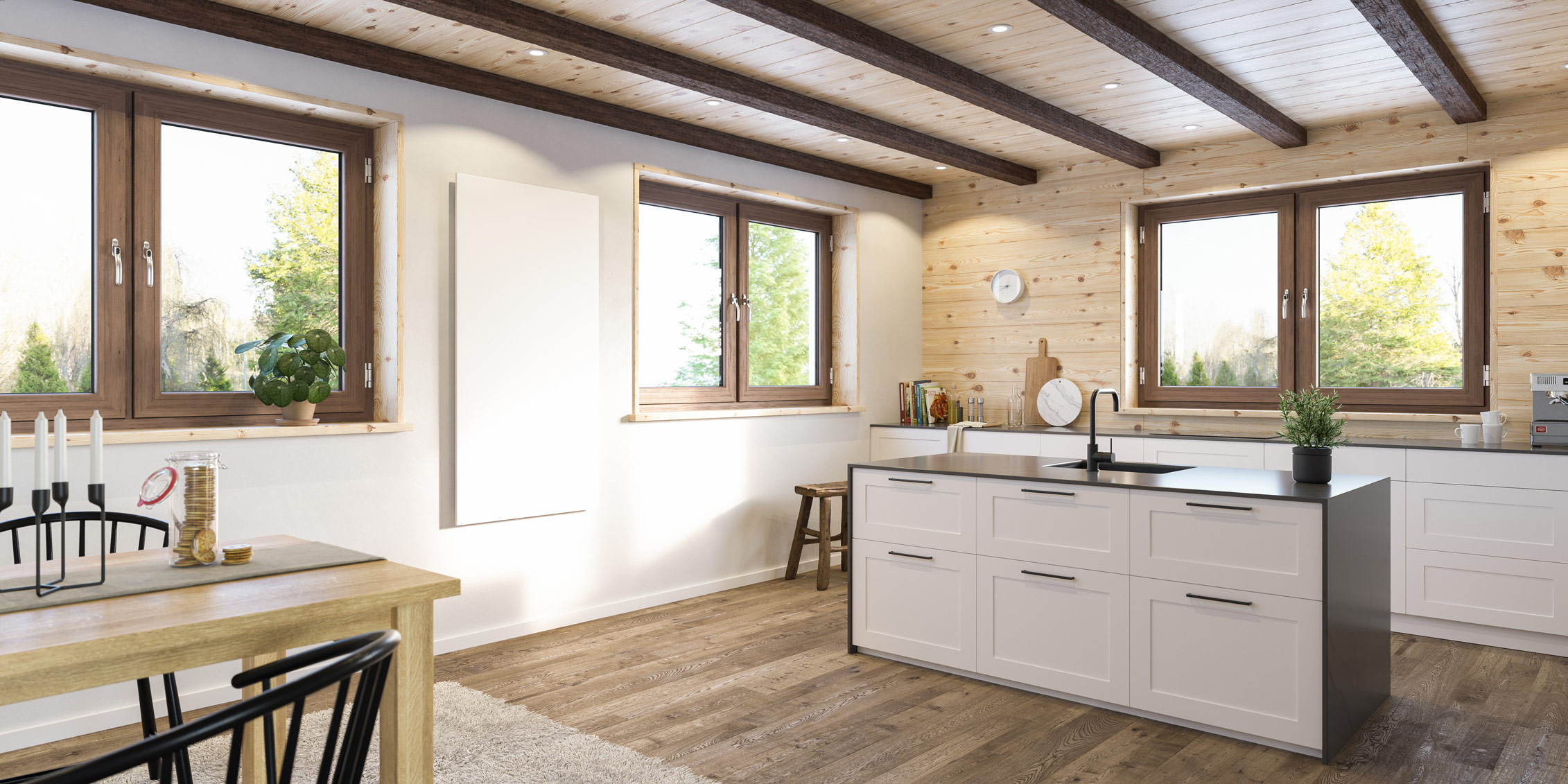
Looking for a Welltherm infrared panel offer? Start with options suited to your room: a suitable panel, correct mounting and appropriate temperature controls. An attractive proposal clearly shows which components you receive and the cost of the complete solution. We help compare versions, output and use, and provide pricing for the selected combination on request.
Key points
- A suitable offer starts with heating demand and available mounting space.
- Compare the complete arrangement: panel, mounting, connections, receiver and controls.
- Exact article codes, external dimensions and warranty conditions make proposals easier to compare.
- Calculate operating costs using output, actual operating hours and your electricity tariff.
- Request a current price for the specific Welltherm combination you want to use.
What a suitable offer for your room includes
A heating panel’s price becomes meaningful when its task in your room is clear. Do you want extra warmth at a workstation, targeted heating in a bedroom or complete electric heating for a room? These usage questions help determine the required version and capacity. The same panel may serve a different role in two situations.
At Welltherm, we therefore start with the room and intended application. The plate on the wall or ceiling is part of a heating solution. The offer should show how to mount, connect and control it. You can then assess whether the proposal fits your plan and which work or additional components are still needed.
The panel and required components
A complete comparison identifies the panel article, panel quantity, mounting accessories and selected control solution. If a receiver is required, it should also be clearly identifiable in the proposal. For a freestanding arrangement, the suitable floor stand is specified. For recessed ceiling installation, the compatible frame combination must be known. These choices influence both pricing and practical usability.
Read more
A precon connector is a connecting component, not a complete thermostat by itself. A connecting cable with a plug also does not establish that temperature controls are complete. Ask which controller and any receiver belong to the selected version. This compares proposals for the same function rather than a standalone plate with a fully assembled solution.
A current price for a concrete selection
Through our quotation enquiry, request current pricing for your desired Welltherm combination. State the room’s use and dimensions. If you already prefer metal, glass, mirror or colour, we include that preference. You receive a proposal linked to identifiable articles and a clear application.
Read more
The word offer is often used for an attractively priced product, but also for the proposal within a quotation. For a good choice, examine the price of the complete arrangement and accompanying conditions. Check that the details apply to the exact version you want installed. Pricing for another finish or a standalone accessory says little about your final project.
Clarity first, then comparison
You need not know every technical detail in an initial enquiry. State what is known and where you still want advice. A room photograph and simple sketch help explain the available position. If the supporting surface or electrical connection still needs investigation, it can be recorded as a consideration in the proposal. Clear assumptions make the offer easier to assess.

Compare output and product versions carefully
Wattage indicates the electrical output the panel uses when fully switched on. To heat a complete room, capacity must be sufficient to compensate for heat loss. That loss depends on factors including insulation, windows, external walls and ventilation. Room floor area is a starting point but is not a complete selection by itself.
A low purchase price means little if the proposed panel does not fit its purpose. Insufficient capacity may fail to support the desired room temperature. Conversely, more output does not resolve an unfavourable position with large furniture in front of the heat source. Assess output and arrangement together. The offer then remains connected to the heating you actually want to use.
Compare technical details side by side
For each proposed article, record output, external dimensions, weight and permitted mounting. In our white metal series, PB0330 has 330 watts, external dimensions of 59.2 × 59.2 × 1.7 cm and a weight of 7.8 kg. PB0710 has 710 watts, 59.2 × 119.2 × 1.7 cm and 14.0 kg. These details show that two panels may also impose different mounting requirements.
Use exact model details when checking a proposal. A broad description such as a panel approximately 60 × 120 cm can cover several versions. Glass and metal with similar dimensions may have different weight and output. Have the article code confirmed, not just the product family. This clarifies both ordering and subsequent installation.
Material and finish as part of the price
A metal panel, glass version and heated mirror each have their own appearance. Suitable selection depends on the room and your preference. White may suit a calm wall; a RAL version can complement an interior colour. A mirror can add a second usage function. The offer must identify the included finish so you can assess comparable proposals.
Read more
For RAL and personal image versions, discuss the desired specification beforehand. An on-screen image or proof approximates the final colour. Material and production may cause slight differences. For a photograph or print, select an original purpose-designed version. A standard plate with a sticker subsequently applied is not an equivalent product proposal. The surface must function according to product requirements.
Describe the desired room heating
For a study used only a few hours, supplementary warmth may call for a different selection from a living room used daily. State whether background heating already exists and the role it retains. If replacing existing heating, make this clear in the enquiry. The panel proposal is then assessed as part of a complete heating solution.
Read more
For several rooms, an overview per room helps. Record dimensions, desired function and planned mounting position. A package with different panel outputs may be suitable, but its distribution should be explained. A total wattage for the home does not establish where warmth arrives. Room details make the offer concrete and help avoid applying one general product choice to every room.

Include mounting and controls in the proposal
Mounting components may make the difference between a standalone product and a usable solution. For wall mounting, check that the supporting surface suits weight and fixings. Ceiling mounting needs particular attention to the supporting structure. A thin finishing board or loose ceiling tile is not automatically a suitable support. Fixing methods must suit the exact panel and mounting manual.
The electrical connection also belongs in the assessment. Proximity to a socket or lighting point provides a practical starting point, but does not mean existing provision is suitable without checking. Total output and selected controls influence the electrical arrangement. Clearly distinguish work required for connection from product components in the offer.
Wall, ceiling and freestanding arrangements
For a wall panel, we assess the supporting surface, clear space around the panel and cable route. A ceiling solution can preserve walls, but needs a suitable structure and prescribed retention. For recessed mounting, compatibility of panel, frame and support must be confirmed. A nominal size such as 60 × 60 cm is insufficient to establish that a panel may be laid loose in a ceiling grid.
Read more
For a mobile arrangement, choose a compatible stand with or without wheels. Compatibility depends on the panel and intended orientation. Include the stand code in the proposal rather than the word mobile alone. Also discuss floor position and cable routing. This clarifies whether the version is practical where you intend to use the offer being compared.
A control solution matching use
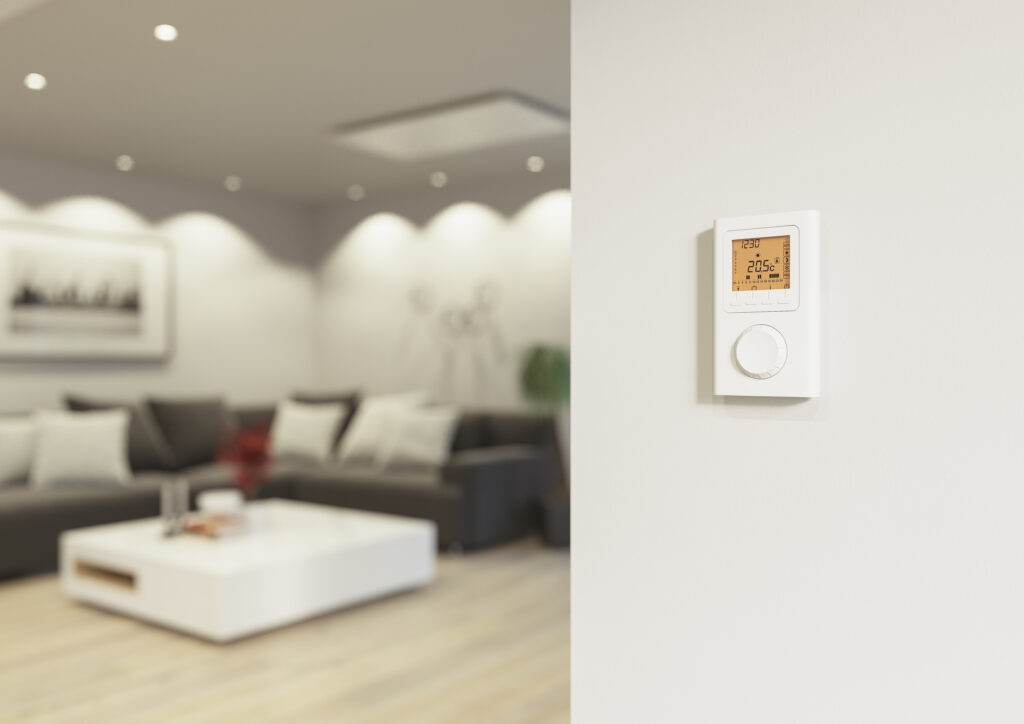
A room thermostat can adapt heat supply to the desired temperature. A timed programme may suit working days, evening use or another usage pattern. Available functions depend on the particular control solution. A panel does not automatically gain remote control because it has a connector. Choose components that genuinely support the desired operation.
Check in the proposal whether thermostat, receiver and connections together suit the panel. Discuss where temperature is measured and who uses the controls daily. Simple controls in a suitable position may be pleasant when several people use the room. Find more information under precon connections and controls and our thermostats.
Add extra functions purposefully
An LED frame can add light to compatible panel combinations. This accessory has its own external dimensions, electrical output and protection rating. Include both the frame and required power supply and controls in a quotation. Warmth and light have separate functions: the room may need light at times without additional heating. Discuss how you want to operate these functions too.
Read more
An additional towel holder or other accessory likewise requires checking against the relevant product version. An attractive bundle becomes concrete only when components genuinely fit together. Consult product information and have the combination confirmed. You can then include desired functions in the offer without later discovering that an accessory does not belong to the selected panel.
Consider purchase price and operating costs together
The purchase price covers selected products and work included in the proposal. Operating costs subsequently arise from electricity consumption. Keep those two parts clearly identifiable side by side. An attractive purchase amount says little about monthly costs if heating operating time or your electricity tariff is unknown.
An honest calculation describes assumptions. Use panel output, an estimate of actual operating hours and your own tariff. Also describe what changes in existing heating. If adding a panel while existing heating remains unchanged, additional consumption may arise. If heating is used differently, comparison requires data for both systems.
A calculation example with identifiable steps
A 710-watt panel uses 0.71 kWh during one hour of full-power heating. Three full-power hours mean 2.13 kWh. Multiply that figure by your electricity tariff to calculate costs for that operating duration. The example describes fully switched-on use; a thermostat may switch off intermittently during a longer period of use.
Read more
For later assessment, use measured operating hours or measured electricity consumption where possible. An eight-hour working day does not automatically mean eight hours at full power. Weather, temperature setting, insulation and room use affect required warmth. A fixed monthly price based on floor area alone would not sufficiently account for these differences.
Supplementary warmth and existing heating
For supplementary heating, the panel can support a workstation or seating area. Clarify which system provides background warmth and where the panel adds heat. A lower setting on existing heating may change consumption in some situations, but must be appropriate for comfort, ventilation and moisture management. Consider the whole home or relevant rooms rather than one temperature in one position.
Read more
No general savings percentage can be applied to every offer. A well-insulated room and an older space with extensive glazing may respond differently. Different operating duration also changes the outcome. Request a calculation with clear assumptions if operating costs matter in your selection. After installation, actual data can help refine that estimate.
Include your own solar electricity in the assessment
If you have solar panels, include information about your generation and simultaneous electricity consumption. Heating often needs energy at different times from peak generation. A sunny afternoon and cold evening are not the same situation. For an appropriate cost assessment, consider the actual usage profile and your energy contract agreements.
Read more
Available self-generated electricity does not by itself make a heating panel free to operate. It remains an electrical appliance with particular output and heating demand resulting from the building. Adapt controls to desired comfort and use. Comparison becomes clearer when self-generation’s contribution is described separately alongside heating demand and purchase costs.
Assess a Welltherm proposal confidently
A clear proposal shows what you choose and why that combination suits your room. First check the heating objective: supplementary or primary heating. Then examine product codes, finishes and outputs. Compare offered components against original preferences. You can then address differences in size, colour or controls before finalising selection.
Current pricing for our Welltherm solution is available on request. HeatXL supports the brand in the Benelux with product selection and technical coordination. Discuss one room or have a larger project assessed. Having the main room details available helps. A carefully prepared enquiry makes receiving a complete and suitable offer easier.
Make your own comparison overview
Keep assessment clear with a small table for your room. In the first column, record the required function; in the second, the offered version; in the third, any question. Consider primary heating, colour, mounting location and desired controls. You need not assess every technical detail yourself; the table mainly shows which choices are clear and which still need explanation.
Read more
Also allow space for work assessed by an installing professional. Fixings for an existing wall may differ from those for a new structure. A connection yet to be installed is different from a checked existing provision. Making these points visible keeps price comparison linked to the same practical circumstances.
When deciding with a partner or colleague, agree priorities beforehand. Perhaps a mirror surface matters more than a distinctive colour, or your main wish is control per room. A suitable offer then follows from clear preferences. A larger package with extra functions need not be the best choice when those functions are rarely used in practice.
A complete proposal allows concrete questions: which article belongs in this position, which controls support this programme and what mounting preparation remains? Those answers let you assess final pricing within your entire project.
Keep specifications and conditions
Keep the proposal with article codes and confirmed arrangement. The information is useful later for mounting, control or accessory enquiries. Also check agreements about work. Product supply and installation are separate project components and should be clear in the agreements. Do not assume mounting is included when the specific proposal does not state it.
Applicable Welltherm panels carry a five-year warranty under the conditions. Accessories may have different cover. Check which conditions apply to each component of the selected combination. Explore the starting points through our warranty information. Correct mounting, suitable use and following the manual remain important.
Check a specially offered article
If a specific offer states a different product status, such as a used demonstration model, have its condition, completeness and terms described. Check which components are supplied and what documentation is available. That information belongs to the actual offered product. A general description of second-hand or showroom products does not replace assessment of a specific article.
Read more
Even with an attractive proposal, consider model and application. A panel intended for particular mounting does not become suitable for every other position because of a favourable price. This applies, for example, to specialist ceiling versions or accessories with limited compatibility. Keep technical assessment authoritative, then compare offers for suitable products.
Prepare your enquiry well
Send room dimensions, ceiling height and a few photographs of the intended position. Include information about insulation, windows and existing heating as far as known. State your preferred appearance and whether you want a timed programme or other controls. Unknown details can be identified as unknown, keeping clear what still needs checking.
Explore our Welltherm range or the infrared panel overview beforehand. You may name a preferred model without treating the selection as final. We connect product details to your room and then propose the accompanying arrangement.
Compare offers on the same assumptions
When assessing several proposals, compare objectives and components. Do they all concern the same room and function? Are controls, receiver and mounting accessories included throughout? Are finishes comparable and conditions clear? Only with the same assumptions can you assess price differences meaningfully.
A suitable Welltherm offer therefore provides more than a price for a plate. It connects your heating requirements to specific products, identifiable conditions and practical mounting and controls. Through a quotation enquiry, make that comparison concrete for your home or workspace.
From selection to a suitable proposal
A good Welltherm infrared panel offer suits the room, heating objective and how you want to use heating. Compare the complete arrangement and consider purchase and operating costs separately. Request the current offer for your project and receive a proposal with suitable panels, accessories and controls.
Frequently asked questions
Where can I find a Welltherm panel’s current price?
Request pricing for the desired version and combination. Specify the room, mounting position and controls. You receive a suitable proposal rather than a figure describing only a standalone component.
Is a thermostat always included in an offer?
The arrangement is listed in the specific proposal. Check temperature controller, any receiver and connections separately. A precon connector or cable with a plug does not by itself form complete controls.
Which output should I choose in an offer?
Choose output according to heating demand and application. For primary heating, capacity must compensate for heat loss. A favourable price does not change that requirement. Have the room assessed before selecting a model.
How do I compare two different proposals?
Compare the same application and complete component list. Examine model, finish, output, external dimensions, mounting, controls and conditions. Clarify differences before comparing total prices alone.
How do I calculate electricity consumption?
Multiply output in kilowatts by actual operating hours. A 710-watt panel uses 0.71 kWh during one fully switched-on hour. Multiply consumed kWh by your electricity tariff for costs.
Does an offer automatically produce lower energy costs?
Purchase price and use are separate elements. Operating costs depend on heat loss, temperature, operating hours, controls and tariff. Include changes to any existing heating’s use in the comparison too.
Which warranty applies to the selected products?
Applicable panels carry a five-year warranty under the conditions. Accessories may have different cover. Check the specific proposed products’ conditions and keep article details.
What information should I send with an enquiry?
Send dimensions, ceiling height, room photographs and intended mounting position. Describe insulation and existing heating as far as known. State whether you want supplementary or primary heating and your preferred finish and controls.