DESIGN & PERSONALISED FINISHES
Welltherm infrared art panel
Explore the available Welltherm range, prices and ordering options. Opens in a new tab.
A Welltherm infrared art panel makes your heating a visible part of the interior. Choose an artwork or graphic design and discuss dimensions, output and cropping with us. Your room gains warmth and a personal accent.
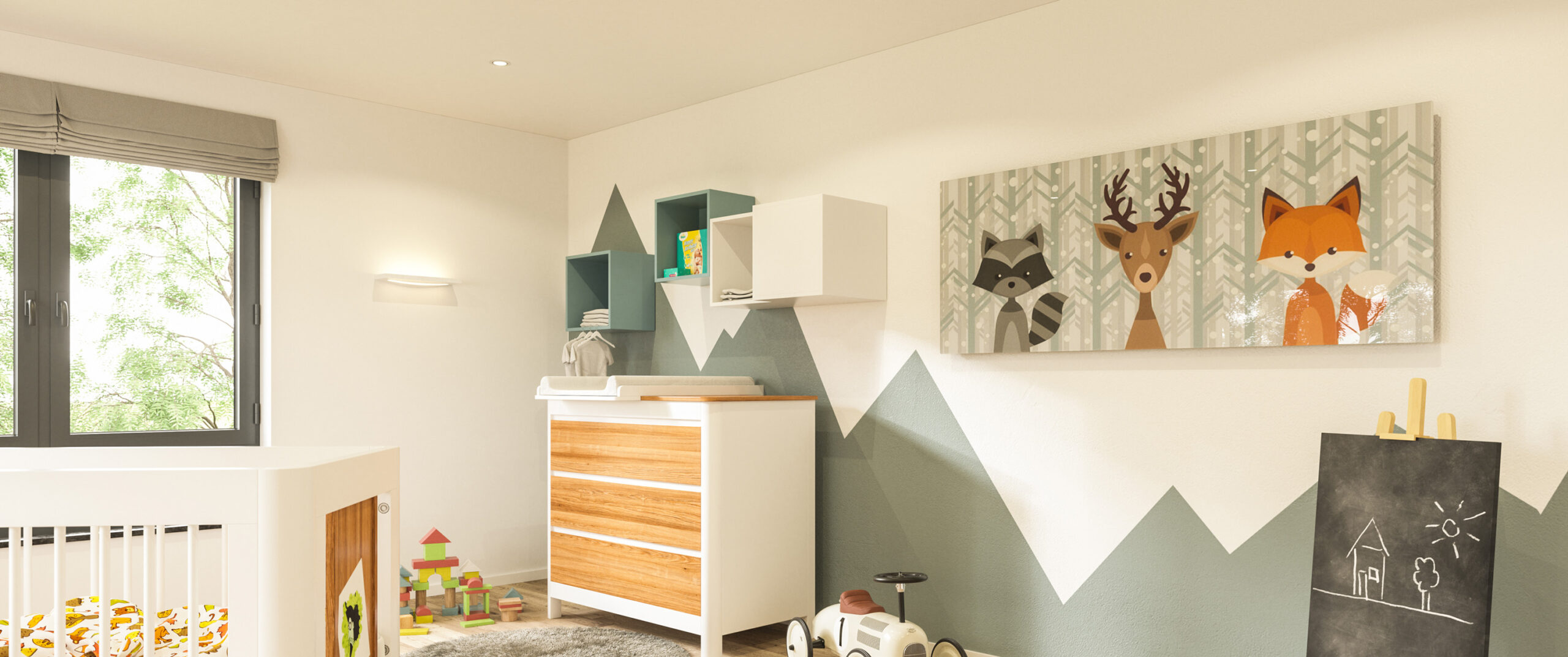
Welltherm picture heating
An infrared art panel combines a heating panel with a chosen image. In a living room, workspace or reception area, the heat source therefore need not be a separate practical feature. An art print can complement the room’s colours, furniture and atmosphere.
The image does not replace technical product selection. Dimensions and output must suit heating demand. We therefore first establish what the room needs, then consider how the chosen artwork will look its best on the panel.
A metal front with a silk matt finish
For a personal image, we recommend our metal photo panels with a silk matt finish. Material and surface determine how the image appears. Current image panels have a metal front with a silk matt finish. We tailor dimensions, output and mounting to the room.
Choose according to both the desired image and the room where the panel will be installed. Use the specific product’s protection rating as your starting point; a glass panel’s characteristic does not automatically apply to a metal panel. Also explore the metal photo panels.
Art print, photograph or your own design
A painting, graphic composition or personal photograph can be the starting point. Choose a sufficiently high-quality file and check that you may use it for this purpose. The required resolution depends on panel size and cropping. A small internet image is often insufficient for a large front.
The artwork and panel proportions must work together. A vertical photograph on a horizontal panel requires cropping or a different layout. Have the final appearance, colour and finish confirmed before ordering the panel.
Where should you hang a picture heater?
A position that looks attractive for a painting is not always the best position for heating. Consider obstacles, where people are located and the permitted mounting clearances. Also discuss where the electrical connection and thermostat will be positioned.
For bathroom use, the chosen model and mounting zone are decisive. Ask for advice beforehand on the combination of image, protection rating and installation. For a living room or office, we can tailor the version to the existing interior.
Frameless design or a compatible frame
A frameless panel has a calm appearance. A frame approved for this panel can enhance its painting-like appearance. An LED frame adds lighting when the panel and frame are suitable for use together. Check possible combinations for each size.
A quotation for your art panel
Send room dimensions and an example of your artwork. We assess suitable panel dimensions and discuss image quality, cropping and finish before you order. Request a quotation for your art panel.
In the proposal, we coordinate material, output, finish, mounting and controls. Consult the warranty information and seller’s conditions for final supply. For your preparation, you can prepare an image for your panel.
A Welltherm infrared art panel as part of your interior
A Welltherm infrared art panel brings together two choices best made at the same time: the warmth a room needs and the image you want to see there daily. A peaceful landscape may suit a seating area; a reception space may call for a graphic design in the company’s visual identity. Start with the room’s purpose and the places where people spend time. The artwork follows within the panel sizes and mounting positions suitable for that heating requirement.
We combine product selection with these interior questions. Welltherm manufactures the panels; HeatXL handles distribution in the Benelux. In an enquiry, we discuss the heating purpose, version and image preparation before documenting the final combination. You can then assess a proposal against the result in your own room. For an initial view of the possibilities, also use our guide to a panel with a photograph.
Read more
Art on a heating panel has a different role from art in an ordinary frame. You are choosing an electric appliance with a warm front, a connection and controls. The chosen image personalises that appliance but does not change its requirements for fixing and unobstructed heat emission. A painting may look attractive above a low cabinet; for a heat source, we must also consider distances to furniture and user positions. Include both considerations in the design.
A personal image need not be conspicuous. An abstract pattern with little contrast can blend a panel into the wall, while a contrasting work deliberately makes it visible. Also consider the design when sitting on the sofa or entering the room. These sightlines may differ from the position in which you assess a small example file. With a photograph of the actual wall, we discuss how dimensions and image layout relate to the surroundings.
The metal photo panel as the technical basis
For this personalised image finish, we use metal photo panels from the current collection. Their silk matt surface gives the image its own appearance. A glossy paper photograph or illuminated screen display is therefore not a direct representation of the final panel front. State whether you want a calm, soft impression or a pronounced colour contrast. We discuss this within the possibilities of the chosen version.
Panel dimensions must be selected according to the room and image. BIPB articles differ in output, dimensions and weight; choosing a different size may also require different cropping. Use the product information for the metal panel with an image when comparing. The dimensions of the original image file do not determine how much output the room needs. Keep the heating calculation and graphic design as two related steps within the same proposal.
Read more
An image is a finish of the intended panel. Do not attach a poster, film or cloth to a standard heating front yourself to create the same effect. This changes the product’s construction and heat emission. The chosen artwork is prepared within the product variant intended for it. The same applies to a desired frame: assess it as a compatible part of the specific combination and do not use an arbitrary picture frame around a warm panel.
The current metal version remains the starting point for new enquiries on this page. A photograph of an older installation may show another product generation. If you already have a panel with a personal image and need an extension or assistance, send the article number and a clear photograph of the rating plate. We can then distinguish the existing situation from the current range. An old project image’s appearance is insufficient to establish material, connection or availability.
From an original art file to suitable cropping
Preferably work with the artist’s or photographer’s original digital file. An image shared through a messaging service may have been significantly reduced; a screenshot often contains unnecessary borders and less image detail. Keep the original and provide a separate example of the desired crop. This preserves both source quality and your intention. A sharp small example on a phone says little about suitability for a large panel.
During image preparation, we use effective resolution at the actual print dimensions. For photo panels, 300 dpi is a suitable target; assessment of a lower-resolution file depends on the subject and final size. A number in file properties without enough pixels does not make an image sharper. Have the file assessed with the chosen dimensions. We examine detail, cropping and any text in the image before the order becomes final.
Read more
The panel’s proportions can determine the composition. A wide landscape fits a vertical front differently from a portrait. State which parts must be retained: a face, horizon, logo or important line in the artwork. Suitable cropping may be more attractive than showing the entire image with empty strips beside it. With a graphic design, you can instead have the layout prepared specifically for the chosen panel dimensions.
For your own design, send a usable file, such as JPEG, TIFF or a suitable PSD file, and state whether any editing is still required. Ensure you have permission for the chosen image and application. We can then discuss which version will serve as the final basis. Keep an original file version available and check the crop before approving it. A confirmed production order requires a clear, checked file.
Colour, light and the artwork’s appearance
Colour perception changes with the surroundings. Warm interior lighting can make an image look different from daylight, while wall colour affects contrast. Do not assess a design solely on a bright screen in a dark room. Discuss the desired effect using the existing space and a suitable reference. The metal front’s silk matt finish forms part of that assessment and can soften the impression of a glossy digital image.
If you want to frame the art panel with light, first check whether a suitable LED frame is available for the exact dimensions. Light and heat are selected and controlled as separate functions. The frame’s power supply and mounting require their own preparation. Additional lighting can support the image but requires a compatible combination with the panel and operating environment. It is not a standard part of every art panel.
Read more
An image with large, quiet areas creates different accents from a detailed city photograph. At a distance of several metres, a small element may disappear while strong contrast remains visible. Consider viewing distance from the sofa or workstation. For a reception area, the design should also be understandable on first entering. That practical viewing distance helps determine whether the chosen image offers sufficient calm and recognisability at its final dimensions.
For a logo or text, legibility is a separate design question. Small letters clear in the file may become difficult to read on the wall. Ask the designer to prepare text in the actual proportions and avoid positioning important information too close to the edge. Also check spelling, version number and colour references. This check belongs to the image file before production; a thermal assessment of the panel does not check the graphic design.
Heat, wall position and controls in one plan
An art panel can provide primary or supplementary heating when output and positioning suit the task. State which existing heating remains in operation. An art panel for extra comfort near a seating area requires a different assessment from replacing all heating in that room. For primary heating, we consider heat loss, desired temperature and available mounting positions together. Visual dimensions alone provide insufficient information for this.
The connection should preferably be prepared before the wall is finally finished. Determine the cable route, where any receiver remains accessible and how controls will be operated. The selected precon connection and receiver must be assessed as a combination. An art panel’s finish does not automatically include a complete thermostat or built-in Wi-Fi. Explore connections and controls to discuss the system components specifically with your installer.
Read more
Consider the space in front of the panel. A sofa, tall cupboard or large curtain can affect the intended radiant direction. A wall that seems logical for a painting may therefore be less suitable for heating. Mark furniture and fixed occupied locations on the floor plan. Also discuss what changes with later rearrangement. A small adjustment to panel position or a different size may better align the design with daily use.
Choose a measurement position that usefully represents the room. Direct sunlight, another heat source or a cold draught can affect temperature readings. After switching on, the panel first warms up; the air is then heated indirectly through the surroundings. Allow for that warm-up time in the daily programme. A timetable matching your use helps more than repeatedly making large adjustments at arbitrary times when entering the room.
Three rooms, three different art choices
For a living room, start with the seating area and normal evening use. Show where windows, doors and existing radiators are located, and identify the most frequently occupied positions. A calm image can make the heating purpose less conspicuous, while a large artwork can define the wall. Both choices are possible within a suitable heating plan. Include the position of a television or tall bookcase when assessing the available wall area.
In a home office, the workstation matters as much as the wall composition. A panel with your own image may suit a position behind or beside the work area, depending on the layout and permitted mounting. Consider the whole room’s temperature and comfort around your desk as separate questions. If you specifically want extra warmth near your feet, desk heating serves a different product function from an art panel for the room.
Read more
For a showroom or reception area, you often want an appearance that suits the business. Record not only its visual identity but also opening hours, circulation routes and places where people sit for longer periods. A waiting room is used differently from a corridor through which visitors pass briefly. A graphic design can make the chosen panels part of the interior. Output distribution and controls per zone nevertheless remain part of the commercial installation.
A bedroom requires a calm position, suitable temperature controls and normal ventilation use. Choose an image you enjoy there and assess mounting in relation to the bed, curtains and cupboards. Use the panel as a heating product within the prescribed clearances. The artwork adds visual character; sleep quality or health are not predicted as product outcomes. For a room plan, clearly state your desired operating times and existing heating.
Quotation, version and daily use
A focused enquiry includes a wall photograph, room dimensions and intended use. Add an example of the artwork and indicate which crop matters to you. Also state whether the image is final or still being developed by a designer. We can then consider technical selection alongside graphic preparation. Request a quotation for your art panel with these details so the proposal describes your situation.
Consumption is determined by electrical output and actual operating time, not the chosen artwork. A hypothetical example illustrates this: a 0.71 kW panel operating at full power for a total of two hours uses 1.42 kWh. Multiply this by your own tariff for a cost example. The thermostat can change operating time; heat loss and operating conditions remain decisive. Read more about Welltherm infrared heating consumption.
Allow the panel to cool before cleaning it according to the accompanying instructions. Use the surface as a panel front and do not hang clothing or cloths over it. Keep the product number, final image file and installation details for later maintenance or expansion. The warranty conditions relate to the chosen version and purchase. For current product selection, also explore the Welltherm collection at infraroodpaneel.nl (Opens in a new tab).
Read more
Check the panel series, dimensions, output and finish in the proposal. Then examine the image, approved crop and any mounting, connection and control components. Comparing two offers is useful when they cover the same task. A standalone panel price says less if one proposal includes a receiver and mounting component while the other does not. Ask which work and components belong to the chosen combination before proceeding.
Frequently asked design questions for an art panel
Can I easily replace the image later? Treat the personal finish as part of the ordered version. A new image is not a loose poster to hang over the warm front. Discuss any desired change with the article number and existing finish before applying anything yourself. At the design stage, it is therefore useful to choose an image that also suits a future minor rearrangement, or deliberately select a distinctive artwork that can define the wall for a long time.
Should I choose the artwork or panel first? You can start with either, but they must come together before the final choice. An existing artwork may suggest a preferred aspect ratio; the heating requirement may constrain that preference. Provide both the desired image and room information. We assess which panel sizes are suitable, then discuss how the design will appear at that size. This avoids unnecessary improvisation in final production.
Can I move a panel like an ordinary painting? A connected heating panel is fixed and controlled according to the product instructions. A new wall position requires reassessment of fixings, clearances, connection and heat distribution. For a move or renovation, take photographs of the new position and retain the article number. The original image selection remains usable, but mounting and controls must suit the new room. Have a qualified professional carry out electrical work and fixing for the specific installation.
Where can I find the technical basis? Use current product data alongside the Welltherm manual for metal panels . The brochure for metal image panels helps with image preparation; current article data remain authoritative for the version and connection. If you have an existing appliance, check which document version applies to it. This combination of product information, image and room data makes the selection concrete.